
Independent bookshop in Schull, West Cork
Worm Favourites
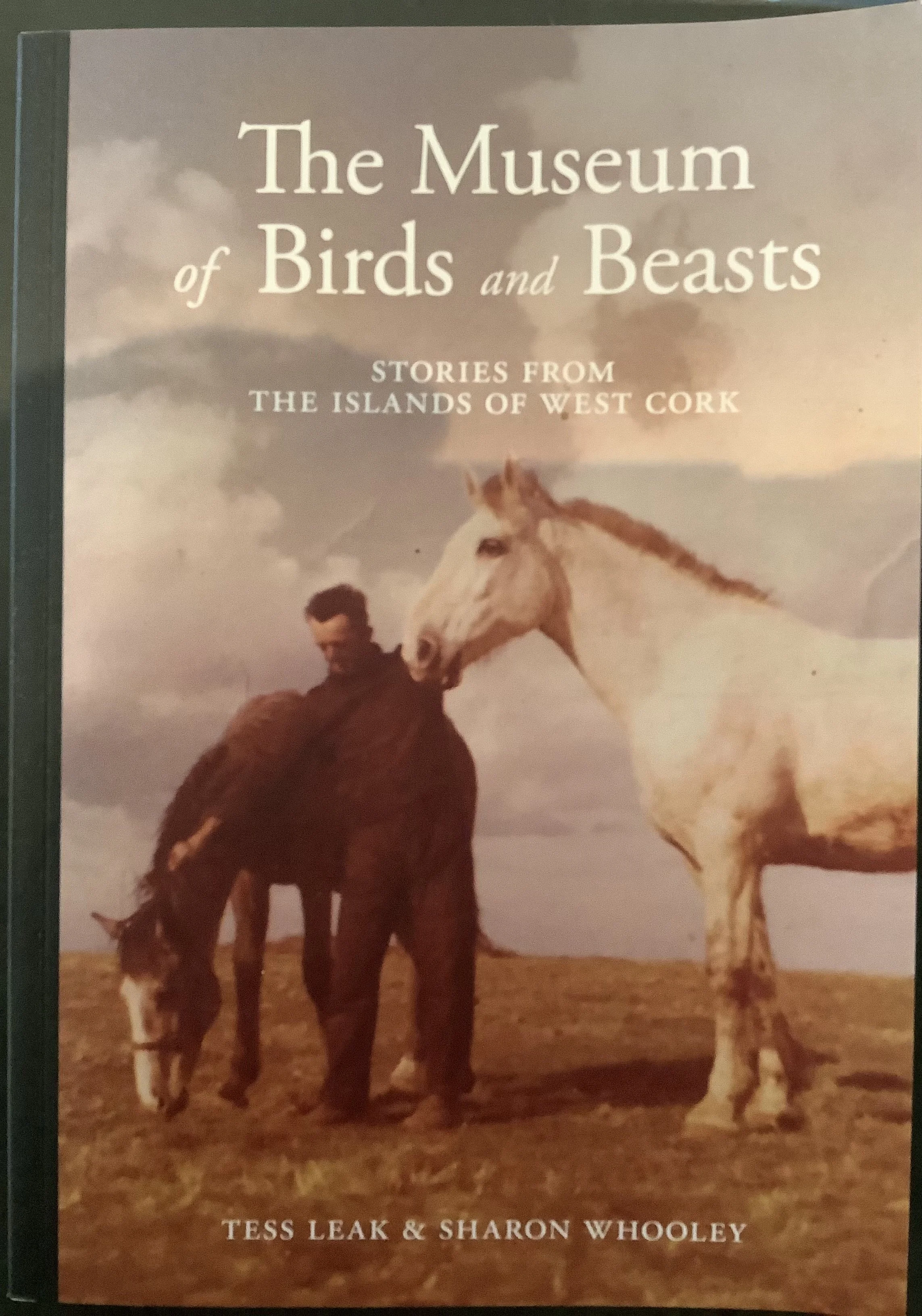
Theses stories from the Museum of Birds and Beasts project relate to animals, birds, fishing and folklore and were collected from the islanders of West cork; Bere Island, Oileán Chléire, Dursey Island, Heir Island, Long Island, Sherkin Island and Whiddy Island and from former residents of the now uninhabited Middle Calf Island and Horse Island. Memories from the East and West Skeam Islands are also included in this collection.
The stories are told in the islanders’ own voices and grew out of individual conversations over the course of two years. They record a way of life shaped by necessity and the enduring relationship between people, animals, the land and the sea.
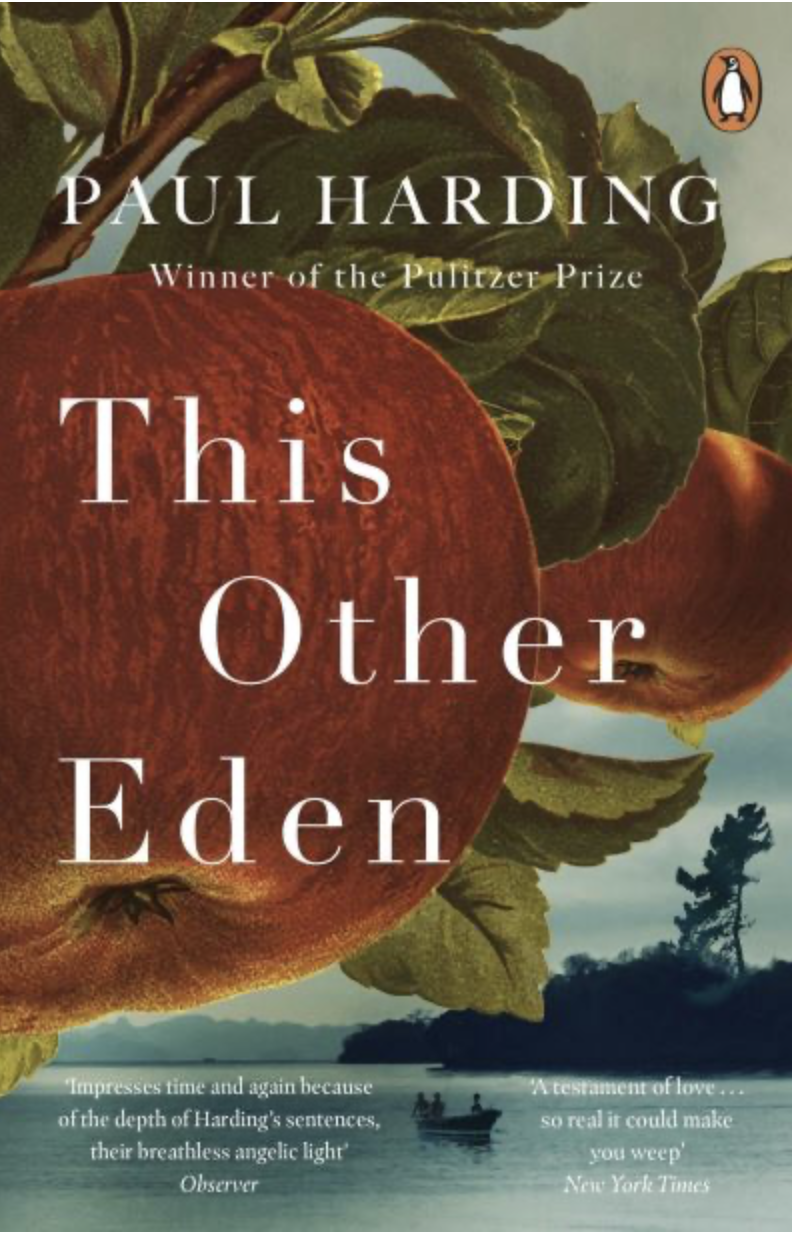
'Masterful . . . has much to say to our times' Guardian
'Begs to be read' Spectator
'A luminous, thought-provoking novel' Esi Edugyan, author of Washington Black
In 1792, formerly enslaved Benjamin Honey and his Irish wife, Patience, discover an island where they can make a life together. More than a century later, the Honeys' descendants remain, with an eccentric, diverse band of neighbours. But during one tumultuous summer at the dawn of the twentieth century, one prejudiced missionary lands on the island's shores, disrupting the community's fragile balance with everlasting consequences. Full of lyricism and power, Paul Harding's This Other Eden explores the hopes and dreams and resilience of those seen not to fit a world brutally intolerant of difference.

A SUNDAY TIMES BESTSELLER BOOK OF THE YEAR 2023 ACCORDING TO FINANCIAL TIMES, GUARDIAN, INDEPENDENT, TIME MAGAZINE
'Levy's lyrical, pitch-perfect prose is an exploration of our reasons for living, the forces that drive us and the inner music that controls the rhythms of our dance through life and love' Independent
The mesmerising new novel from the twice Booker-shortlisted author of Hot Milk and Swimming Home
At the height of her career, concert pianist Elsa M. Anderson - former child prodigy, now in her thirties - walks off the stage in Vienna, mid-performance. Now she is in Athens, watching as another young woman, a stranger but uncannily familiar - almost her double - purchases a pair of mechanical dancing horses at a flea market. Elsa wants the horses too, but there are no more for sale. She drifts to the ferry port, on the run from her talent and her history. So begins a journey across Europe, shadowed by the elusive woman who bought the dancing horses. A dazzling portrait of melancholy and metamorphosis, August Blue uncovers the ways in which we seek to lose an old story, find ourselves in others and create ourselves anew.
'Deborah Levy writes like a dream and I mean that quite literally' Stuart Kelly, The Scotsman
'A virtuosic novel of identity and breakdown . . . [it] flickers constantly between comedy and darkness. You know you'll read August Blue again' M John Harrison, Guardian Sunday Times bestseller, May 2023

WINNER OF THE INTERNATIONAL BOOKER PRIZE 2024
'An ambitious story of love and betrayal' - Irish Times
'The ending is like a bomb thrown into your room -- you'll be reeling for days and weeks to come.' - Neel Mukherjee
Berlin. 11 July 1986. They meet by chance on a bus. She is a young student, he is older and married. Theirs is an intense and sudden attraction, fuelled by a shared passion for music and art, and heightened by the secrecy they must maintain. But when she strays for a single night he cannot forgive her and a dangerous crack forms between them, opening up a space for cruelty, punishment and the exertion of power.
And the world around them is changing too: as the GDR begins to crumble, so too do all the old certainties and the old loyalties, ushering in a new era whose great gains also involve profound loss. From a prize-winning German writer, this is the intimate and devastating story of the path of two lovers through the ruins of a relationship, set against the backdrop of a seismic period in European history.

'Max Porter is one of my favourite writers in the world.' George Saunders
'Beautiful and haunting.' Kevin Barry
'The strangest, most beguiling and affecting of all his books.' Ian Rankin
'A miracle of language.' Irish Times
This is the story of a few strange hours in the life of a teenage boy. He is wandering into the night listening to the voices in his head: his teachers, his parents, the people he has hurt and the people who are trying to love him. He is feeling a little sorry for himself.
Shy is a novel about imagination, guilt and boyhood. It is about being lost in the dark, and realising you are not alone.
'Contemporary fiction's bard of ugly beauty and exultant despair.' New Yorker
'An act of humanity and grace, heightened by its distinctive form and artistry.' Telegraph

A woman approaching the 'invisible years' of middle age abandons her failing writing career to retrain as a chiropodist in the suburb of Marzahn, once the GDR's largest prefabricated housing estate, on the outskirts of Berlin. From her intimate vantage point at the foot of the clinic chair, she keenly observes her clients and co-workers, delving into their personal histories with all their quirks and vulnerabilities.
Each story stands alone as a beautifully crafted vignette, told with humour and poignancy; together they form a nuanced and tender portrait of a community. Part memoir, part collective history, Katja Oskamp's love letter to the inhabitants of Marzahn is a stunning reflection on life's progression and our ability to forge connections in the unlikeliest of places.

Discover the fascinating world of Ireland’s diverse and astonishing collection of native wildflowers. This new edition reflects the many changes to our botanical knowledge since The Wildflowers of Ireland was first published in 2014. There’s updated information on the distribution of native wildflowers, along with more than 90 additional species, all beautifully photographed by the author.
For ease of identification, the species are divided into colour categories and within each category the species are grouped by, for example, the number of petals in the flower or whether the species carries its flowers in a cluster or a spike.
In easily understood terminology, focus is put on the main identifying features of each plant, by colour, size, shape of flower, leaf, habitat, flowering season, and where in Ireland it might be found.
This is a must for enthusiasts of all ages and levels of experience.
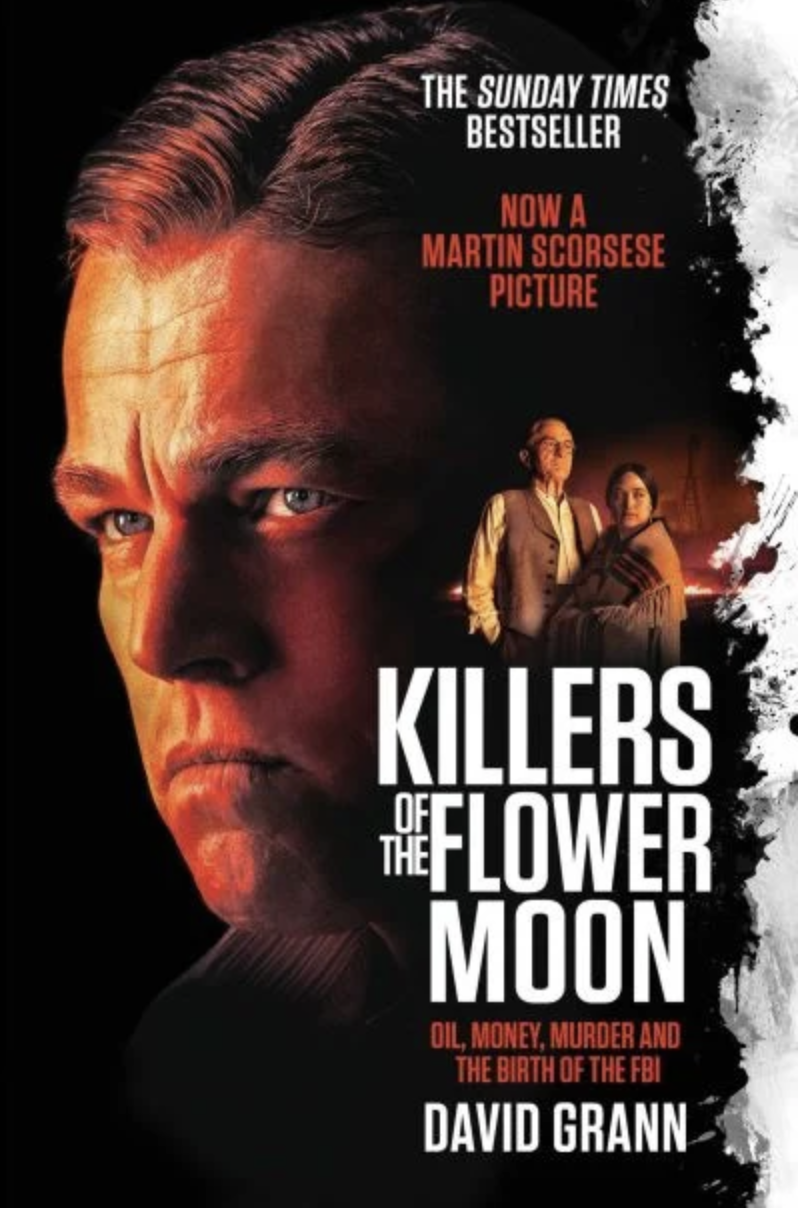
WINNER OF THE EDGAR AWARD FOR BEST FACT CRIME
SHORTLISTED FOR THE ANDREW CARNEGIE MEDAL FOR EXCELLENCE IN NON-FICTION SHORTLISTED FOR THE CWA ALCS GOLD DAGGER FOR NON-FICTION
NOW A MAJOR MOTION PICTURE DIRECTED BY MARTIN SCORSESE STARRING LEONARDO DICAPRIO AND ROBERT DE NIRO
'A riveting true story of greed, serial murder and racial injustice' JON KRAKAUER
'A fiercely entertaining mystery story and a wrenching exploration of evil' KATE ATKINSON
'A fascinating account of a tragic and forgotten chapter in the history of the American West' JOHN GRISHAM
From the bestselling author of The Lost City of Z, now a major film starring Charlie Hunnam, Sienna Miller, Robert Pattinson and Tom Holland, and the Number One international bestseller The Wager, comes a true-life murder story which became one of the FBI's first major homicide investigations.
In the 1920s, the richest people per capita in the world were members of the Osage Indian nation in Oklahoma. After oil was discovered beneath their land, they rode in chauffeured automobiles, built mansions and sent their children to study in Europe. Then, one by one, the Osage began to be killed off. As the death toll climbed, the FBI took up the case. But the bureau badly bungled the investigation. In desperation, its young director, J. Edgar Hoover, turned to a former Texas Ranger named Tom White to unravel the mystery. Together with the Osage he and his undercover team began to expose one of the most chilling conspiracies in American history.
'David Grann has a razor-keen instinct for suspense' LOUISE ERDRICH
THE NEW YORK TIMES BESTSELLER
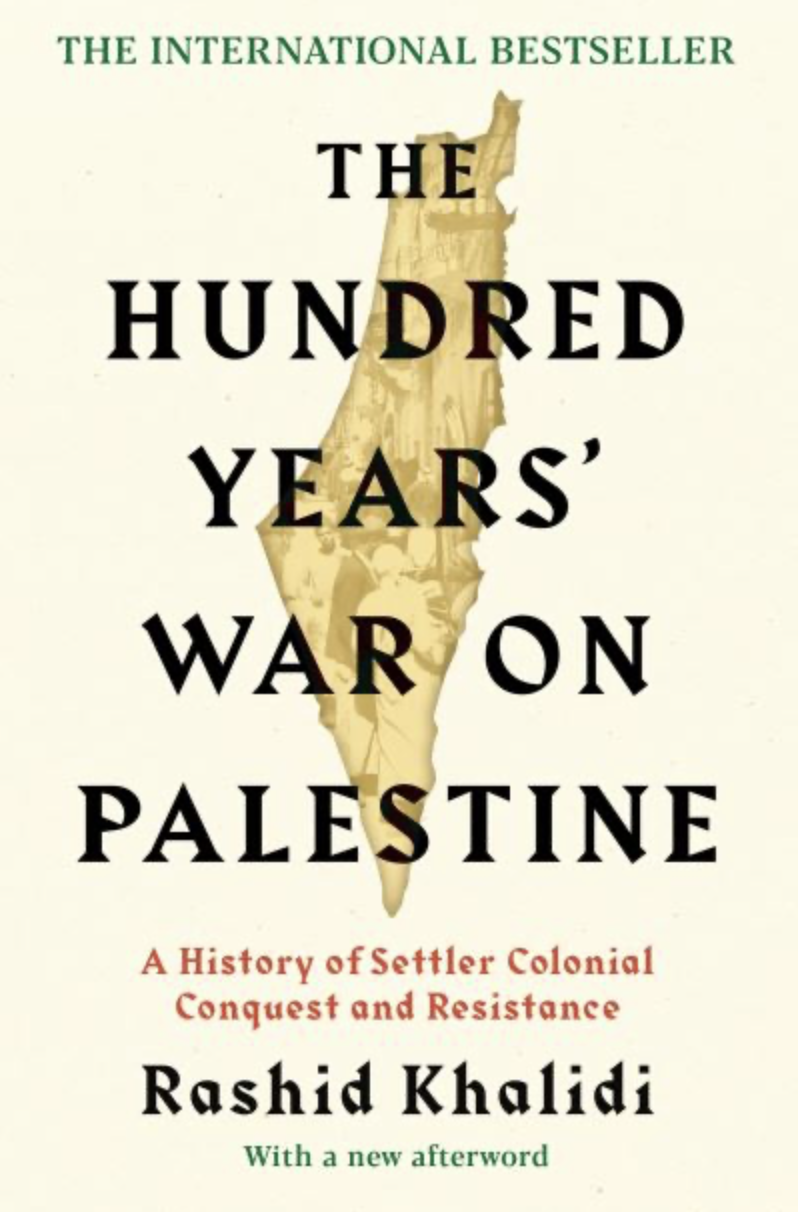
One of the 'Five Best Books to understand the Israel-Palestine Conflict', as chosen by the Guardian Shortlisted for the 2020 Cundill History Prize
A Granta Book of the Year 2023
'This cogent and compelling Palestinian perspective is long overdue' Guardian
'Riveting and original ... a work enriched by solid scholarship, vivid personal experience, and acute appreciation of the concerns and aspirations of the contending parties in this deeply unequal conflict ' Noam Chomsky
The twentieth century for Palestine and the Palestinians has been a century of denial: denial of statehood, denial of nationhood and denial of history. The Hundred Years War on Palestine is Rashid Khalidi's powerful response. Drawing on his family archives, he reclaims the fundamental right of any people: to narrate their history on their own terms.
Beginning in the final days of the Ottoman Empire, Khalidi reveals nascent Palestinian nationalism and the broad recognition by the early Zionists of the colonial nature of their project. These ideas and their echoes defend Nakba - the Palestinian term for the establishment of the state of Israel - the cession of the West Bank and Gaza to Jordan and Egypt, the Six Day War and the occupation. Moving through these critical moments, Khalidi interweaves the voices of journalists, poets and resistance leaders with his own accounts as a child of a UN official and a resident of Beirut during the 1982 seige.
The result is a profoundly moving account of a hundred-year-long war of occupation, dispossession and colonialisation.

Deeply satisfying. . . a wonderful study of grief and isolation.' Daily Mail
'A sharp, chilling contemporary ghost story.' The Scotsman 'Powerful.' Guardian
'Sexy, insightful and frequently funny.' Irish Examiner
Middle-aged, jaded and divorced, TV scriptwriter Harada returns one night to the dilapidated downtown district of Tokyo where he grew up. There, at the theatre, he meets a likable man who looks exactly like his long-dead father. And so begins Harada's ordeal, as he's thrust into a reality where his parents appear to be alive at the exact age they had been when they had died so many years before.

THE INSTANT NEW YORK TIMES NO. 1 BESTSELLER
LONGLISTED FOR THE 2023 BAILLIE GIFFORD PRIZE FOR NON-FICTION
SELECTED AS ONE OF BARACK OBAMA'S FAVOURITE BOOKS OF 2023
'The beauty of The Wager unfurls like a great sail... one of the finest nonfiction books I've ever read' Guardian
'The greatest sea story ever told' Spectator
'A cracking yarn.
Grann's taste for desperate predicaments finds its fullest expression here' Observer From the international bestselling author of KILLERS OF THE FLOWER MOON and THE LOST CITY OF Z, a mesmerising story of shipwreck, mutiny and murder, culminating in a court martial that reveals a shocking truth.
On 28th January 1742, a ramshackle vessel of patched-together wood and cloth washed up on the coast of Brazil. Inside were thirty emaciated men, barely alive, and they had an extraordinary tale to tell. They were survivors of His Majesty's ship the Wager , a British vessel that had left England in 1740 on a secret mission during an imperial war with Spain. While chasing a Spanish treasure-filled galleon, the Wager was wrecked on a desolate island off the coast of Patagonia.
The crew, marooned for months and facing starvation, built the flimsy craft and sailed for more than a hundred days, traversing 2,500 miles of storm-wracked seas. They were greeted as heroes. Then, six months later, another, even more decrepit, craft landed on the coast of Chile. This boat contained just three castaways and they had a very different story to tell. The thirty sailors who landed in Brazil were not heroes - they were mutineers. The first group responded with counter-charges of their own, of a tyrannical and murderous captain and his henchmen. While stranded on the island the crew had fallen into anarchy, with warring factions fighting for dominion over the barren wilderness. As accusations of treachery and murder flew, the Admiralty convened a court martial to determine who was telling the truth. The stakes were life-and-death-for whomever the court found guilty could hang.

'An exceptional book. Sailing Alone belongs on the very small shelf of the true classics of the sea' Peter Nichols, author of Sea Change and A Voyage for Madmen
'Colourful and inventive' The Times
Sailing on a boat by yourself out at sea and out of sight of land can be exhilarating or terrifying, compelling or tedious - sometimes it can be all of these things just in one morning. It is an adventure at odds with our normal, sociable lives, carried out floating on a medium wholly inimical to our existence. But the deep ocean is also a remarkable place on which to think. Richard King's enormously engaging and curious new book is about the debt we owe to solo sailors: women and men, young and old, who have set out alone. Spending weeks and months alone, slowly, quietly and close to the ocean surface is to create the world's largest laboratory: an endlessly changing, capricious and startling place in which to observe oneself, the weather, the stars and myriad sea creatures, from the tiniest to the most massive and threatening. This is a book for anyone who is fascinated by sailing, solitude and the vast seas that cover so much of our planet.

'Masterful and entrancing - this is big history at its best.' Professor Alice Roberts, author of Ancestors
'A real-life Indiana Jones takes readers on a dive through these underwater museums, revealing the sunken secrets of the past' The Times
'Fascinating... wonderful material, well researched and placed in its wider context' Spectator
From a Bronze Age ship built during the age of Queen Nefertiti and filled with ancient treasures, a Viking warship made for King Cnut himself, Henry VIII's spectacular Mary Rose and the golden age of the Tudor court, to the exploration of the Arctic, the tragic story of HMS Terror and tales of bravery and endurance aboard HMS Gairsoppa in World War Two, these are the stories of some of the greatest underwater discoveries of all time. A rich and exciting narrative, this is not just the story of those ships and the people who sailed on them, the cargo and treasure they carried and their tragic fate. This is also the story of the spread of people, religion and ideas around the world, a story of colonialism and migration which continues today. Drawing on decades of experience excavating shipwrecks around the world, renowned maritime archaeologist David Gibbins reveals the riches beneath the waves and shows us how the treasures found there can be a porthole to the past to tell a new story about the world and its underwater secrets.
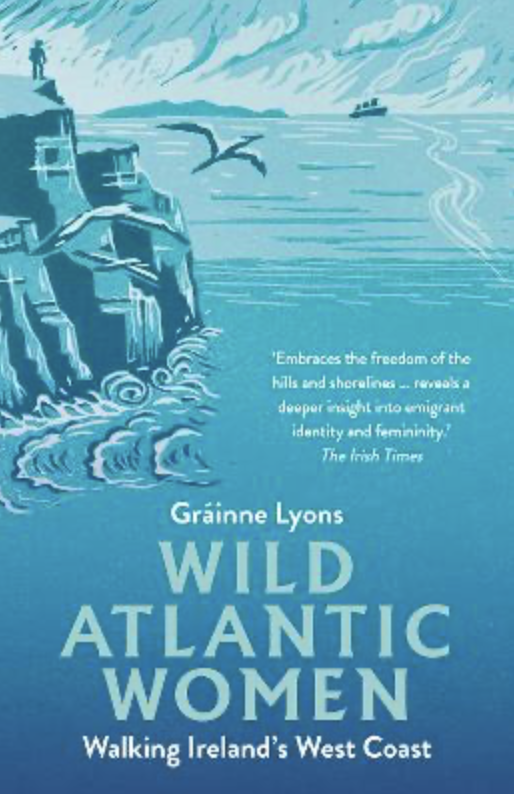
A new edition of the sell-out travelogue of a London Irishwoman who walks the Wild Atlantic Way in the footsteps of eleven pioneering women, beginning with her great-grandmother, a lacemaker on Cape Clear Island, and including Ellen Hutchins, Edna O'Brien, Granuaile, Queen Meabh and Easkey Britton.
At a crossroads in her life, Gráinne Lyons set out to travel Ireland’s west coast on foot. She set a simple intention: to walk in the footsteps of eleven pioneering Irish women deeply rooted in this coastal landscape and explore their lives and work along the way. As a Londoner born to Irish parents, she also sought answers in her own identity.
As Gráinne heads north from Cape Clear Island where her great-grandmother was a lacemaker, she considers Ellen Hutchins, Maude Delap, Edna O’Brien, Granuaile and Queen Maeve among others from her unique perspective. Their homes – in places that are famously wild and remote – are transformed into sites of hope, purpose, opportunity and inspiration. Walking through this history, her journey reveals unexpected insight into emigrant identity, travelling alone, femininity and the trappings of an ‘ideal’ life.
Against the backdrop and power of this great ocean, Wild Atlantic Women will inspire the twenty-first-century reader and walker to keep going, regardless of the path.

'This is a history shaken by intimacy - a brave and rigorously humane book' Seán Hewitt
How far would you go for the missing?
When Clair Wills was in her twenties, she discovered she had a cousin she had never met. Born in a Mother and Baby Home in 1950s Ireland, Mary grew up in an institution not far from the farm where Clair spent happy childhood summers. Yet she was never told of her existence.
How could a whole family - a whole country - abandon unmarried mothers and their children, erasing them from history?
To discover the missing pieces of her family's story, Clair searched across archives and nations, in a journey that would take her from the 1890s to the 1980s, from West Cork to rural Suffolk and Massachusetts, from absent fathers to the grief of a lost child.
There are some experiences that do not want to be remembered. What began as an effort to piece together the facts became an act of decoding the most unreliable of evidence - stories, secrets, silences. The result is a moving, exquisitely told story of the secrets families keep, and the violence carried out in their name.
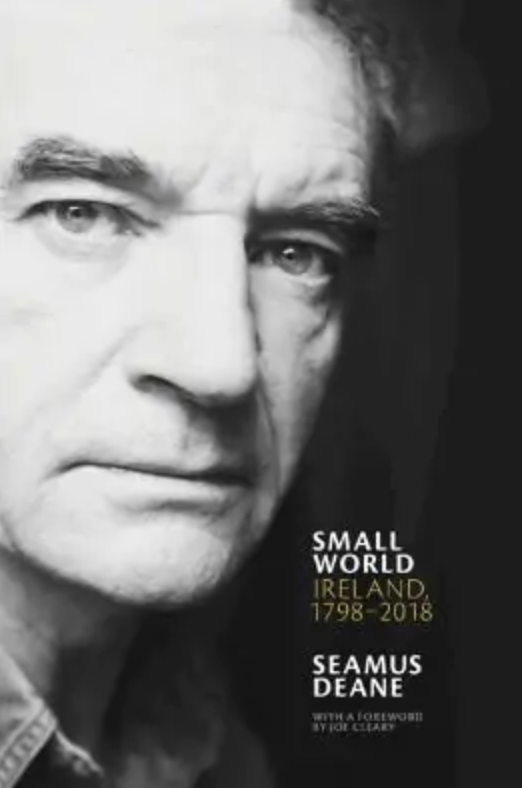
Seamus Deane was one of the most vital and versatile authors of our time. Small World presents an unmatched survey of Irish writing, and of writing about Irish issues, from 1798 to the present day. Elegant, polemical, and incisive, it addresses the political, aesthetic, and cultural dimensions of several notable literary and historical moments, and monuments, from the island's past and present. The style of Swift; the continuing influence of Edmund Burke's political thought in the USA; the echoing debates about national character; aspects of Joyce's and of Elizabeth Bowen's relation to modernism; memories of Seamus Heaney; analysis of the representation of Northern Ireland in Anna Burns's fiction - these topics constitute only a partial list of the themes addressed by a volume that should be mandatory reading for all those who care about Ireland and its history. The writings included here, from one of Irish literature's most renowned critics, have individually had a piercing impact, but they are now collectively amplified by being gathered together here for the first time between one set of covers. Small World: Ireland, 1798-2018 is an indispensable collection from one of the most important voices in Irish literature and culture.
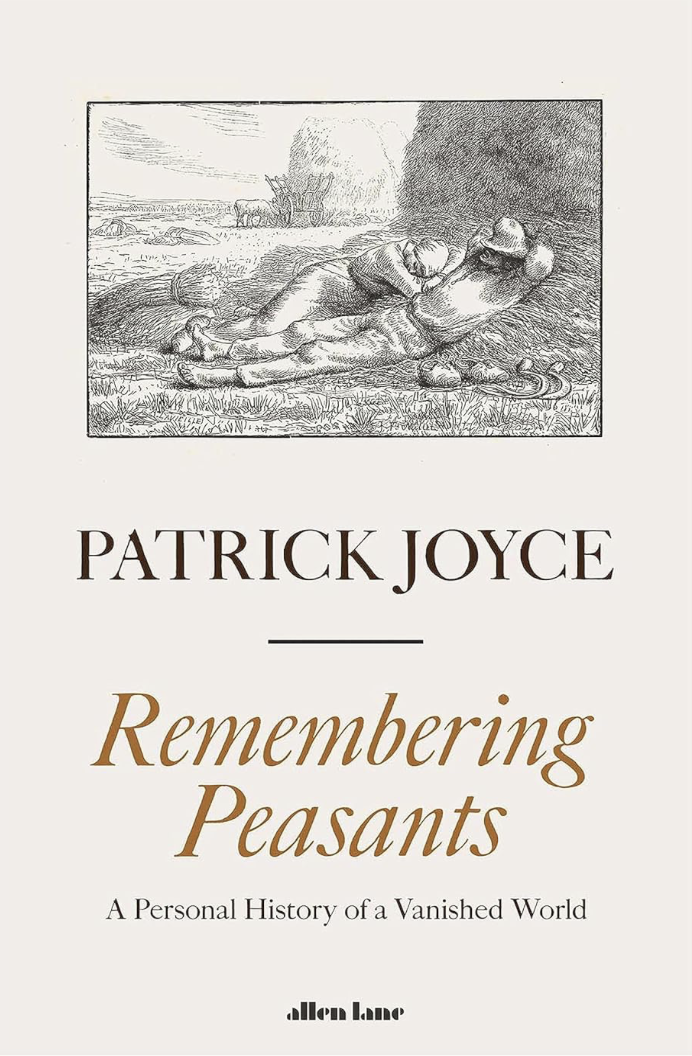
‘A dozen pages in I realized that I had been waiting for much of my life to read this extraordinary book’ Annie Proulx
A way of life that once encompassed most of humanity is vanishing in one of the greatest transformations of our time: the eclipse of the rural world by the urban.
In this new history of peasantry, Patrick Joyce tells the story of this lost world and its people. In contrast to the usual insulting stereotypes, we discover a rich and complex culture: traditions, songs, celebrations and revolts, across Europe from the plains of Poland to the farmsteads and villages of Italy and Ireland, through the nineteenth century to the present day. Into this passionate history, written with exquisite care, Joyce weaves remarkable individual stories, including those of his own Irish family, and looks at how peasant life has been remembered - and misremembered - in contemporary culture.
This is a people whose voice is vastly underrepresented in human history. Yet for Joyce, we are all the children of peasants, who must respect the experience of our ancestors. This is particularly pressing when our knowledge of the land is being lost to climate crisis and the rise of industrial agriculture. Enlightening, timely and vital, this book commemorates an extraordinary culture whose impact on our history and our future remains profoundly relevant.

This Book Is Bound with "Deckle Edge" Paper
Deckle edge books are bound with pages that are made to resemble handmade paper by applying a frayed texture to the edges. Deckle edge is an ornamental feature designed to set certain titles apart from books with machine-cut pages.
In part, Moby-Dick is the story of an eerily compelling madman pursuing an unholy war against a creature as vast and dangerous and unknowable as the sea itself. But more than just a novel of adventure, more than an encyclopaedia of whaling lore and legend, the book can be seen as part of its author's lifelong meditation on America. Written with wonderfully redemptive humour, Moby-Dick is also a profound enquiry into character, faith and the nature of perception.
Though we might not realise it, our collective memory of the twentieth century was defined by the poets who lived and wrote in it. At every significant turning point we find them, pen in hand, fingers poised at the typewriter, ready to distil the essence of the moment, from the muddy wastes of the Western front to the vast reckoning that came with the end of empire.
This is the first and only history of twentieth century poetry, by the acclaimed poet, author and academic John Burnside. Bringing together poets from times and places as diverse as Tsarist Russia, 1960's America and Ireland at the height of the Troubles, The Music of Time reveals how poets engaged with and shaped the most important issues of their times - and were in their turn affected by their context and dialogue with each other. This is a major work of scholarship, that on every page bears witness to the transformative beauty and power of poetry.

Acclaimed as one of the most exciting books in the history of American letters, this modern epic became an instant bestseller upon publication in 1974, transforming a generation and continuing to inspire millions.
A narration of a summer motorcycle trip undertaken by a father and his son, the book becomes a personal and philosophical odyssey into fundamental questions of how to live. Resonant with the confusions of existence, Zen and the Art of Motorcycle Maintenance is a touching and transcendent book of life.

How Music Works is David Byrne's bestselling, buoyant celebration of a subject he has spent a lifetime thinking about. Drawing on his own work over the years with Talking Heads, Brian Eno, and his myriad collaborators - along with journeys to Wagnerian opera houses, African villages, and anywhere music exists - Byrne shows how music emerges from cultural circumstance as much as individual creativity. It is his magnum opus, and an impassioned argument about music's liberating, life-affirming power.

Rory Gallagher is revered as one of the greatest guitarists ever to pick up the instrument. The energy of his shows and his commitment to the audience is legendary.
Drawing on extensive interviews with those who knew him, Julian Vignoles casts new light on the familial,
Rory Gallagher is revered as one of the greatest guitarists ever to pick up the instrument. The energy of his shows and his commitment to the audience is legendary.
Drawing on extensive interviews with those who knew him, Julian Vignoles casts new light on the familial, musical and sociocultural contexts that inspired Gallagher, and on the complex personality that drove his career.
Vignoles reassesses Gallagher’s song writing, suggesting it has been somewhat overlooked because of his dexterity as a guitarist. Crucially, the book shows how many of Gallagher’s songs speak eloquently – and poignantly – about the person who penned them.
Meticulously researched, this intimate portrait is the insightful biography that Rory Gallagher deserves. An engrossing read, it will be as revelatory for curious neophytes as for his legions of loyal fans.

Lester Young fading away in a hotel room; Charles Mingus storming down the streets of New York on a too-small bicycle; Thelonius Monk creating his own private language on the piano... In eight poetically charged vignettes, Geoff Dyer skilfully evokes the embattled lives of the players who shaped modern jazz. He draws on photos and anecdotes, but music is the driving force of But Beautiful and Dyer brings it to life in luminescent and wildly metaphoric prose that mirrors the quirks, eccentricity, and brilliance of each musician's style.

Winner of the Man Booker Prize 2018, shortlisted for the Rathbones Folio Prize 2019, shortlisted for The Women's Prize For Fiction 2019, shortlisted For The Orwell Prize For Political Fiction 2019.
In an unnamed city, where to be interesting is dangerous, an eighteen-year-old woman has attracted the unwanted and unavoidable attention of a powerful and frightening older man, 'Milkman'. In this community, where suggestions quickly become fact, where gossip and hearsay can lead to terrible consequences, what can she do to stop a rumour once it hasstarted? Milkman is persistent, the word is spreading, and she is no longer in control . . .
'Blazing.' Daily Telegraph 'Outstanding.' New Statesman 'A triumph.' Guardian 'Utterly compelling.' Irish Times 'The best Booker winner in years.' Metro

Published in order of first publication as far as possible, this selection ranges from initial offerings such as 'Tinker's Wife' and 'Inniskeen Road: July Evening' to his tragic masterpiece 'The Great Hunger' (1942) and his celebratory later verse, 'To Hell with Common Sense' and 'Come Dance with Kitty Stobling', which show his increasing comic verve and detachment. The first comprehensive selection of Kavanagh's poetry to be published, this volume offers a timely reassessment of a poet unfairly neglected outside Ireland.

Under the pseudonym Myles na Gopaleen, Flann O' Brien wrote a daily column in the 'Irish Times' called 'Cruiskeen Lawn' for over twenty years which hilariously satirised the absurdities and solemnities of Dublin life. With shameless irony and relentless high spirits Myles' 'Cruiskeen Lawn' became the most feared, respected and uproarious newspaper column in the whole of Ireland from its first appearance in 1940 until his death in 1966. This wonderful selection from the 'Cruiskeen Lawn' columns is a modern classic that will appeal to lovers of absurdity and sharp comic observation everywhere.

A brilliant new translation of Ó Cadhain's modern Irish literature masterpiece, meant to spark debate and comparison with Alan Titley's Dirty Dust , now with bonus materials on its history, reception, interpretations, adaptations, and more "Gloriously attuned to the energy, copiousness, invective and ribaldry of the original Cre na Cille ."-Patricia Craig, Times Literary Supplement "Corrosively satirical and darkly comic. . . . A tour de force of a gabfest. "-Mark Harman, Los Angeles Review of Books In critical opinion and popular polls, Máirtìn Ó Cadhain's Graveyard Clay is invariably ranked the most important prose work in modern Irish. This bold new translation of his radically original Cré na Cille is the shared project of two fluent speakers of the Irish of Ó Cadhain's native region, Liam Mac Con Iomaire and Tim Robinson. They have achieved a lofty goal: to convey Ó Cadhain's meaning accurately and to meet his towering literary standards. Graveyard Clay is a novel of black humor, reminiscent of the work of Synge and Beckett. The story unfolds entirely in dialogue as the newly dead arrive in the graveyard, bringing news of recent local happenings to those already confined in their coffins. Avalanches of gossip, backbiting, flirting, feuds, and scandal-mongering ensue, while the absurdity of human nature becomes ever clearer. This edition of Ó Cadhain's masterpiece is enriched with footnotes, bibliography, publication and reception history, and other materials that invite further study and deeper enjoyment of his most engaging and challenging work.

The story of the title deals with a little boy named Larry and his feelings towards his father. When his father returns home from World War II, Larry is resentful and jealous of losing his mother's undivided attention, and finds himself in a constant struggle to win back her affections.
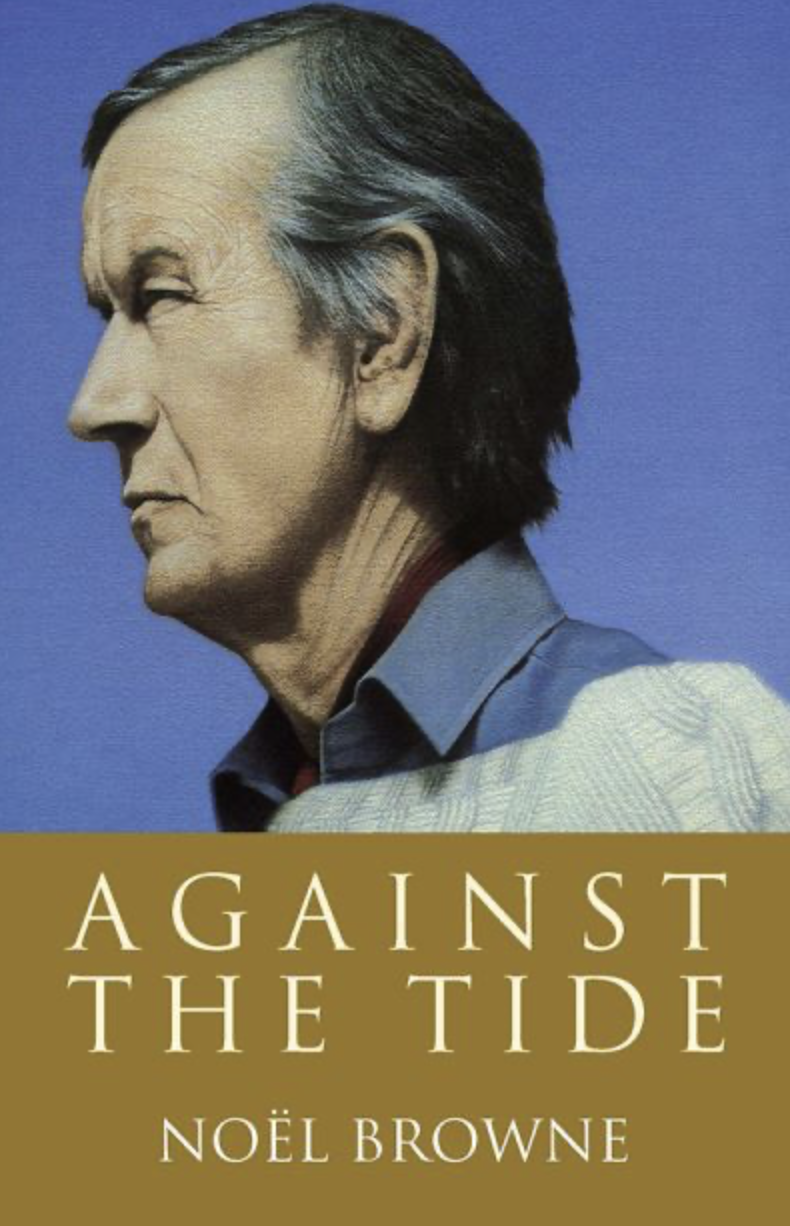
Against the Tide is a story told with honesty and great emotion; the narrative of a life in which tragedy and good fortune succeeded each other with bewildering speed.
After training as a doctor, Noël Browne experienced at first hand the devastating ravages of tuberculosis both personally and professionally. Drawn to politics, he was appointed Minister for Health on his first day in the Dáil at the age of thirty three. His single-minded campaign for reform of the health system, especially the Mother and Child Scheme of 1951, encountered the strenuous opposition of both the Catholic Church and the medical establishment. Abandoned by his party colleagues, he embarked on a stormy political career over the following thirty years. For nearly forty years, Noel Browne's name has been synonymous with political controversy. He was idolised by his supporters; demonised by those who opposed him. Against the Tide was an instant bestseller on its publication in 1986. It has become a classic political memoir - subjective, passionate, controversial and beautifully written.
Irish Interest
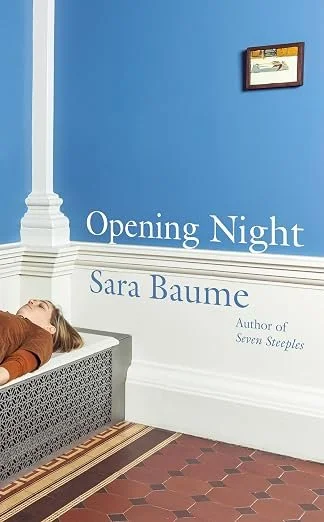
'I met Mollie's paintings before I met Mollie'
Shortly after the imposed isolation of the pandemic, Sara Baume came across a painting at a pop-up exhibition in a renovated shed in rural West Cork. It so intrigued her that she was inspired to make contact with the artist. Mollie Douthit, a North Dakotan exile, was living and working alone in a log cabin down a ravaged laneway surrounded by rugged coastline. Sara and Mollie discovered they had much in common - a dysfunctional attitude towards companionship, a devotion to the daily rituals of their respective art practices, an affinity with nature. They started to meet every month for soup and punishing swims in the Atlantic.
Theses stories from the Museum of Birds and Beasts project relate to animals, birds, fishing and folklore and were collected from the islanders of West cork; Bere Island, Oileán Chléire, Dursey Island, Heir Island, Long Island, Sherkin Island and Whiddy Island and from former residents of the now uninhabited Middle Calf Island and Horse Island. Memories from the East and West Skeam Islands are also included in this collection.
The stories are told in the islanders’ own voices and grew out of individual conversations over the course of two years. They record a way of life shaped by necessity and the enduring relationship between people, animals, the land and the sea.

In This Boy's Heart, beloved Irish broadcaster John Creedon invites readers on an intimate journey through the people, places, and moments that shaped him. With warmth, humor, and a keen sense of nostalgia, Creedon recounts tales of his Cork upbringing, weaving together stories of family, friendships, and the Irish landscapes that left an indelible mark on his life. Celebrating the simplicity and beauty of Irish culture, this memoir is a tribute to Creedon’s roots and a universal story of belonging and self-discovery.
Perfect for fans of memoirs, Irish culture, and those drawn to reflective, heartwarming storytelling, This Boy's Heart is an inspiring read that reminds us of the power of home and heritage.

From the author of the award-winning bestseller An Irish Atlantic Rainforest comes The Magic of An Irish Rainforest: A Visual Journey.
In 2023, environmentalist and rewilder Eoghan Daltun travelled the length and breadth of Ireland photographing areas of temperate rainforest, in a bid to illustrate their beauty and immense ecological value, and to document, in almost all cases, their state of decline.
The resulting collection of stunning images, combined with deeply illuminating nature writing, charts that exploration, beginning with the author's own thriving wild rainforest on the Beara Peninsula, West Cork, and taking us through the four provinces of Ireland - places such as Killarney National Park, Kerry; The Gearagh, Cork, The Burren, Clare; Old Head Wood, County Mayo; Glenveagh National Park, Donegal; Correl Glen and CladaghGlen, County Fermanagh; and Wicklow's beauty spot of Glendalough.
From close-range to wide-lens, luscious forest imagery and landscapes are captured, unimaginably rich in native flora and fauna, offering us a deep insight into rare and priceless ecosystem fragments that we still have but are losing.
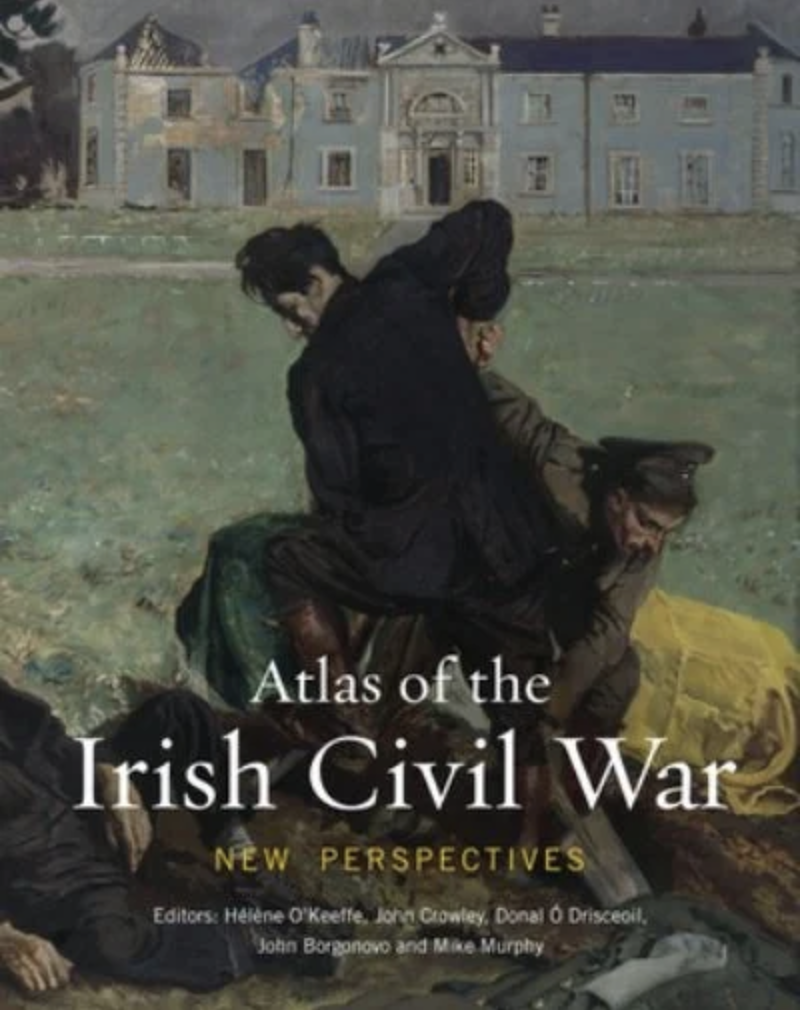
This new volume in the award-winning Atlas Series presents fresh perspectives on, and a nuanced understanding of, the history of the Irish Civil War (1922–3).
The centenary of the Civil War has prompted wide-ranging research into that tumultuous and complex period in Irish history. Featuring contributions from over ninety leading scholars from a range of disciplines, this book provides new insights into the conflict’s regional, national and international dimensions. It includes the first-ever listing of Civil War fatalities and original explorations of issues including propaganda, gender, trauma, culture, labour, land and class.
Produced in partnership with the National Library of Ireland with support from the Department of Tourism, Culture, Arts, Gaeltacht, Sport and Media, the Atlas of the Irish Civil War: New perspectives is richly illustrated with over 400 photographs, archival documents and a series of newly created original maps. From the research team that produced the widely acclaimed Atlas of the Irish Revolution, this volume represents a major and accessible contribution to the historiography of a conflict that has cast a long shadow over Irish life.
Discover the fascinating world of Ireland’s diverse and astonishing collection of native wildflowers. This new edition reflects the many changes to our botanical knowledge since The Wildflowers of Ireland was first published in 2014. There’s updated information on the distribution of native wildflowers, along with more than 90 additional species, all beautifully photographed by the author.
For ease of identification, the species are divided into colour categories and within each category the species are grouped by, for example, the number of petals in the flower or whether the species carries its flowers in a cluster or a spike.
In easily understood terminology, focus is put on the main identifying features of each plant, by colour, size, shape of flower, leaf, habitat, flowering season, and where in Ireland it might be found.
This is a must for enthusiasts of all ages and levels of experience.
A new edition of the sell-out travelogue of a London Irishwoman who walks the Wild Atlantic Way in the footsteps of eleven pioneering women, beginning with her great-grandmother, a lacemaker on Cape Clear Island, and including Ellen Hutchins, Edna O'Brien, Granuaile, Queen Meabh and Easkey Britton.
At a crossroads in her life, Gráinne Lyons set out to travel Ireland’s west coast on foot. She set a simple intention: to walk in the footsteps of eleven pioneering Irish women deeply rooted in this coastal landscape and explore their lives and work along the way. As a Londoner born to Irish parents, she also sought answers in her own identity.
As Gráinne heads north from Cape Clear Island where her great-grandmother was a lacemaker, she considers Ellen Hutchins, Maude Delap, Edna O’Brien, Granuaile and Queen Maeve among others from her unique perspective. Their homes – in places that are famously wild and remote – are transformed into sites of hope, purpose, opportunity and inspiration. Walking through this history, her journey reveals unexpected insight into emigrant identity, travelling alone, femininity and the trappings of an ‘ideal’ life.
Against the backdrop and power of this great ocean, Wild Atlantic Women will inspire the twenty-first-century reader and walker to keep going, regardless of the path.
'This is a history shaken by intimacy - a brave and rigorously humane book' Seán Hewitt
How far would you go for the missing?
When Clair Wills was in her twenties, she discovered she had a cousin she had never met. Born in a Mother and Baby Home in 1950s Ireland, Mary grew up in an institution not far from the farm where Clair spent happy childhood summers. Yet she was never told of her existence.
How could a whole family - a whole country - abandon unmarried mothers and their children, erasing them from history?
To discover the missing pieces of her family's story, Clair searched across archives and nations, in a journey that would take her from the 1890s to the 1980s, from West Cork to rural Suffolk and Massachusetts, from absent fathers to the grief of a lost child.
There are some experiences that do not want to be remembered. What began as an effort to piece together the facts became an act of decoding the most unreliable of evidence - stories, secrets, silences. The result is a moving, exquisitely told story of the secrets families keep, and the violence carried out in their name.
Seamus Deane was one of the most vital and versatile authors of our time. Small World presents an unmatched survey of Irish writing, and of writing about Irish issues, from 1798 to the present day. Elegant, polemical, and incisive, it addresses the political, aesthetic, and cultural dimensions of several notable literary and historical moments, and monuments, from the island's past and present. The style of Swift; the continuing influence of Edmund Burke's political thought in the USA; the echoing debates about national character; aspects of Joyce's and of Elizabeth Bowen's relation to modernism; memories of Seamus Heaney; analysis of the representation of Northern Ireland in Anna Burns's fiction - these topics constitute only a partial list of the themes addressed by a volume that should be mandatory reading for all those who care about Ireland and its history. The writings included here, from one of Irish literature's most renowned critics, have individually had a piercing impact, but they are now collectively amplified by being gathered together here for the first time between one set of covers. Small World: Ireland, 1798-2018 is an indispensable collection from one of the most important voices in Irish literature and culture.
‘A dozen pages in I realized that I had been waiting for much of my life to read this extraordinary book’ Annie Proulx
A way of life that once encompassed most of humanity is vanishing in one of the greatest transformations of our time: the eclipse of the rural world by the urban.
In this new history of peasantry, Patrick Joyce tells the story of this lost world and its people. In contrast to the usual insulting stereotypes, we discover a rich and complex culture: traditions, songs, celebrations and revolts, across Europe from the plains of Poland to the farmsteads and villages of Italy and Ireland, through the nineteenth century to the present day. Into this passionate history, written with exquisite care, Joyce weaves remarkable individual stories, including those of his own Irish family, and looks at how peasant life has been remembered - and misremembered - in contemporary culture.
This is a people whose voice is vastly underrepresented in human history. Yet for Joyce, we are all the children of peasants, who must respect the experience of our ancestors. This is particularly pressing when our knowledge of the land is being lost to climate crisis and the rise of industrial agriculture. Enlightening, timely and vital, this book commemorates an extraordinary culture whose impact on our history and our future remains profoundly relevant.

The second edition of the Sunday Times Sports Book of the Year is updated with a new chapter describing Nick's eventual completion of the Fastnet Race thirty years after his first, ill-fated attempt. The world-famous Fastnet Race takes yachts from the Isle of Wight to the Fastnet Rock off the southwest coast of Ireland and back. The 1979 race began in perfect conditions, but was soon engulfed by the deadliest storm in the history of modern sailing. By the time it passed, the havoc caused was immeasurable, and fifteen sailors had lost their lives. It had been Nick Ward's childhood ambition to sail in the Fastnet Race, and being asked to join the crew of the 30-foot yacht Grimalkin was a dream come true. But then the storm hit. Grimalkin was capsized again and again. With the skipper lost overboard, after hours of struggle three of the crew decided to abandon the boat for the liferaft. Nick and another crewmember, both unconscious, were left on the beleaguered yacht in the middle of the Irish Sea. Both were presumed dead. Gerry died a few hours later, and Nick was left to face the storm alone.
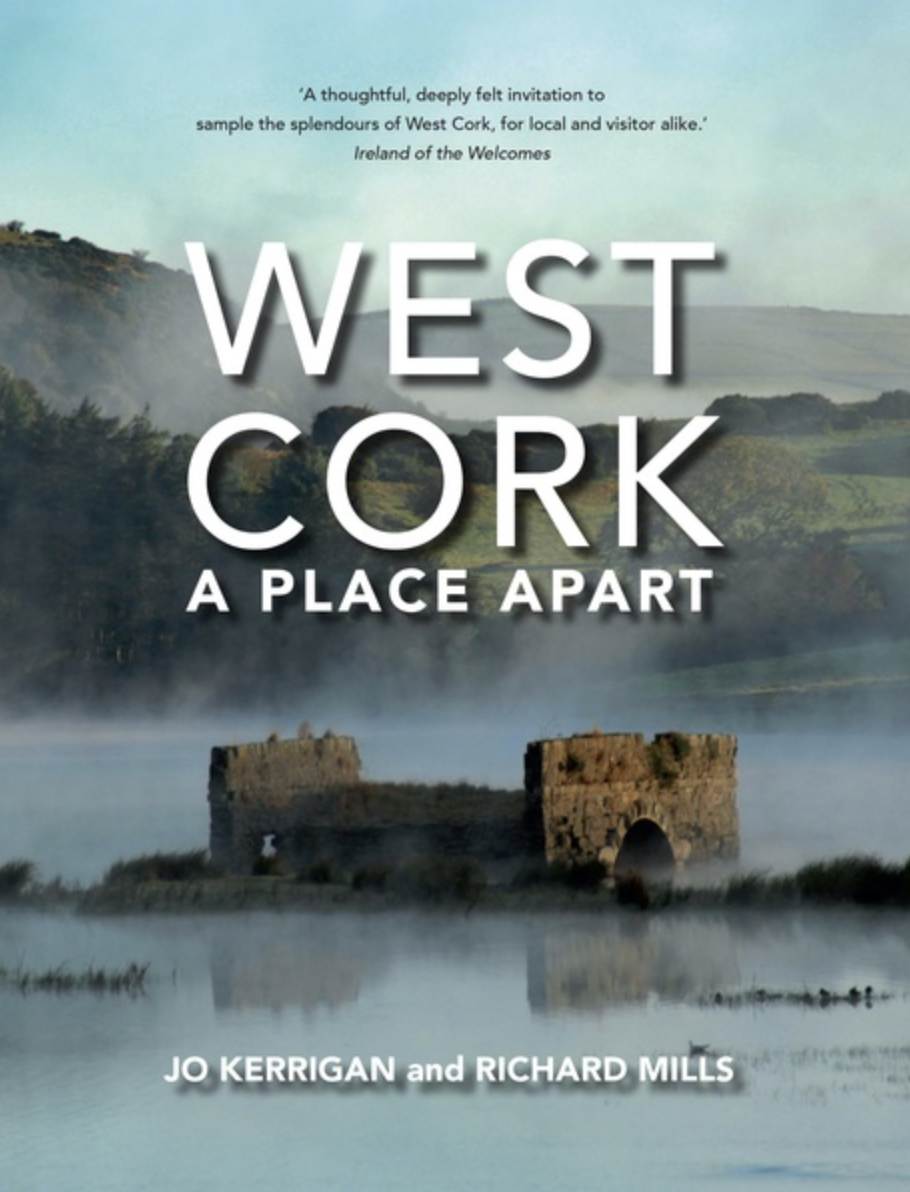
Welcome to the spirit, moods and amazing views of the wonderful world of West Cork, truly a place apart. A world of stunning landscapes, craggy cliffs, colourful villages, wild bogland, glorious harbours, fabulous beaches, rocky mountains, West Cork stands apart as one of the most desirable places to live, work, visit. The famous spots are all here: Mizen and Beara, with their extraordinary seascapes; Baltimore and Schull, beloved of sailors from all over the world; Gougane Barra, with its timeless peace - and many, many more. There are secret places too, off the beaten track, and the book takes the reader down many side-paths and byways to hidden corners and unexpected treasures, sharing on the way some of the legends and traditions of this region - and always the most wonderful and heartstopping scenery.
From a writer and photographer team who lovingly share their responses to the region they are lucky enough to call home: Jo Kerrigan, historian and journalist with national and international publications, and Richard Mills, multiple award-winning press and wildlife photographer.

In June 1631 pirates from Algiers and armed troops of the Turkish Ottoman Empire, led by the notorious pirate captain Morat Rais, stormed ashore at the little harbour village of Baltimore in West Cork. They captured almost all the villagers and bore them away to a life of slavery in North Africa. The prisoners were destined for a variety of fates -- some would live out their days chained to the oars as galley slaves, while others would spend long years in the scented seclusion of the harem or within the walls of the Sultan's palace. The old city of Algiers, with its narrow streets, intense heat and lively trade, was a melting pot where the villagers would join slaves and freemen of many nationalities. Only two of them ever saw Ireland again.
The Sack of Baltimore was the most devastating invasion ever mounted by Islamist forces on Ireland or England. Des Ekin's exhaustive research illuminates the political intrigues that ensured the captives were left to their fate, and provides a vivid insight into the kind of life that would have awaited the slaves amid the souks and seraglios of old Algiers.
The Stolen Village is a fascinating tale of international piracy and culture clash nearly 400 years ago and is the first book to cover this relatively unknown and under-researched incident in Irish history.
Shortlisted for the Argosy Irish Nonfiction Book of the Year Award
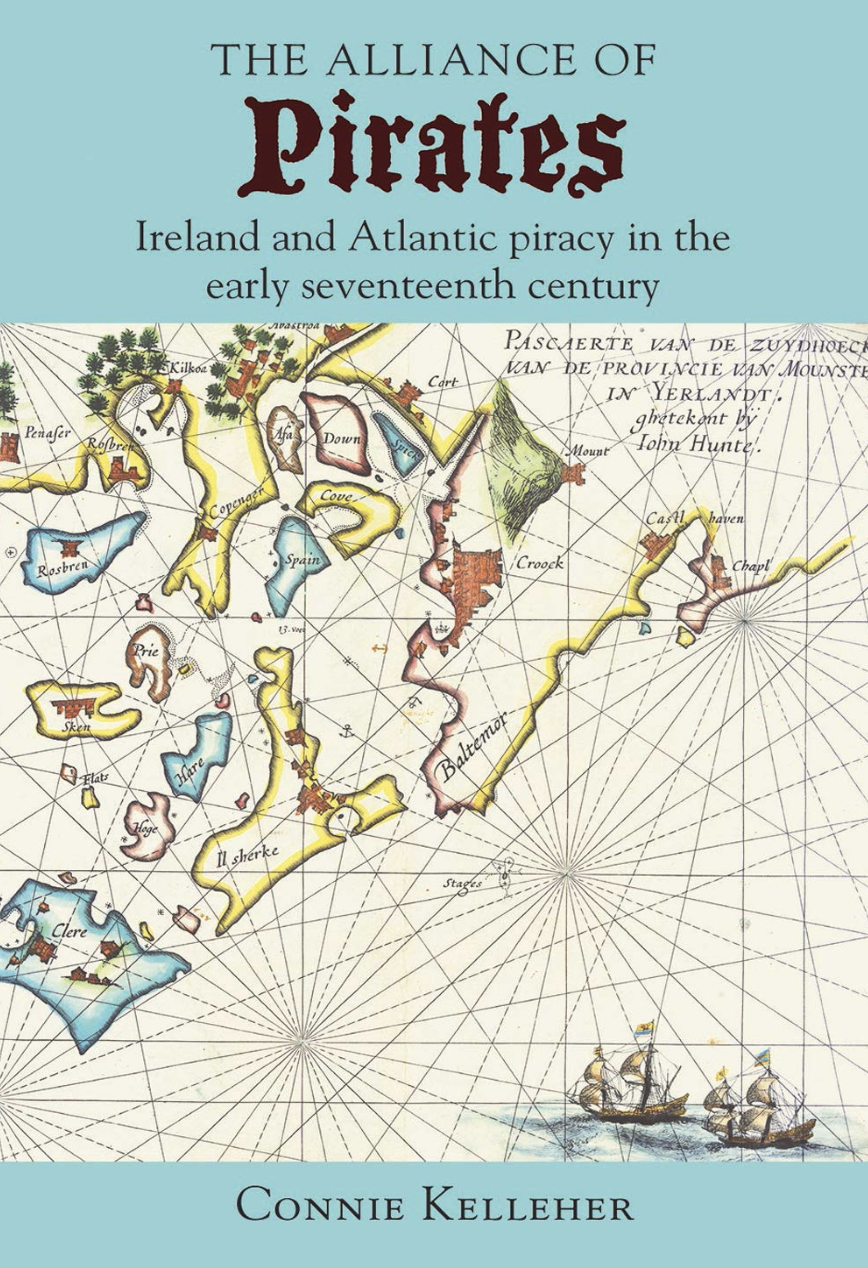
In the early part of the seventeenth-century, along the southwest coast of Ireland, piracy was a way of life. Following the outlawing of privately-commissioned ships in 1603 by the new king of England, disenfranchised like-minded men of the sea, many who had been former 'privateers', merchant sailors and seamen and who had no recourse but to turn to plunder, joined forces with traditional pirates. With the closing of the ports, they transferred their base of operations from England to Ireland and formed an alliance. Within the context of the Munster Plantation, many of the pirates came to settle, some bringing families. These men and their activities not alone influenced the socio-economic and geo-political landscape of Ireland at that time but challenged European maritime power centres, while also forging links across the North Atlantic that touched the Mediterranean, Northwest Africa and the New World. Tracing the cultural origins of this particular period in maritime plunder from the late-1500s and throughout its heyday in the opening decades of the 1600s, The Alliance of Pirates analyses the nature and extent of this predation and looks at its impact and influence in Ireland and across the Atlantic. Operating during a period of emerging global maritime empires, when nations across Europe were vying for supremacy of the seas, the pirates built their own highly lucrative and highly potent piratical power base. Drawing on extensive primary and secondary historical sources Connie Kelleher explores who these pirates were, their main theatre of operations and the characters that aided and abetted them. Archaeological evidence uniquely supports the investigation and provides a tangible cultural link through time to the pirates, their cohorts and their bases.
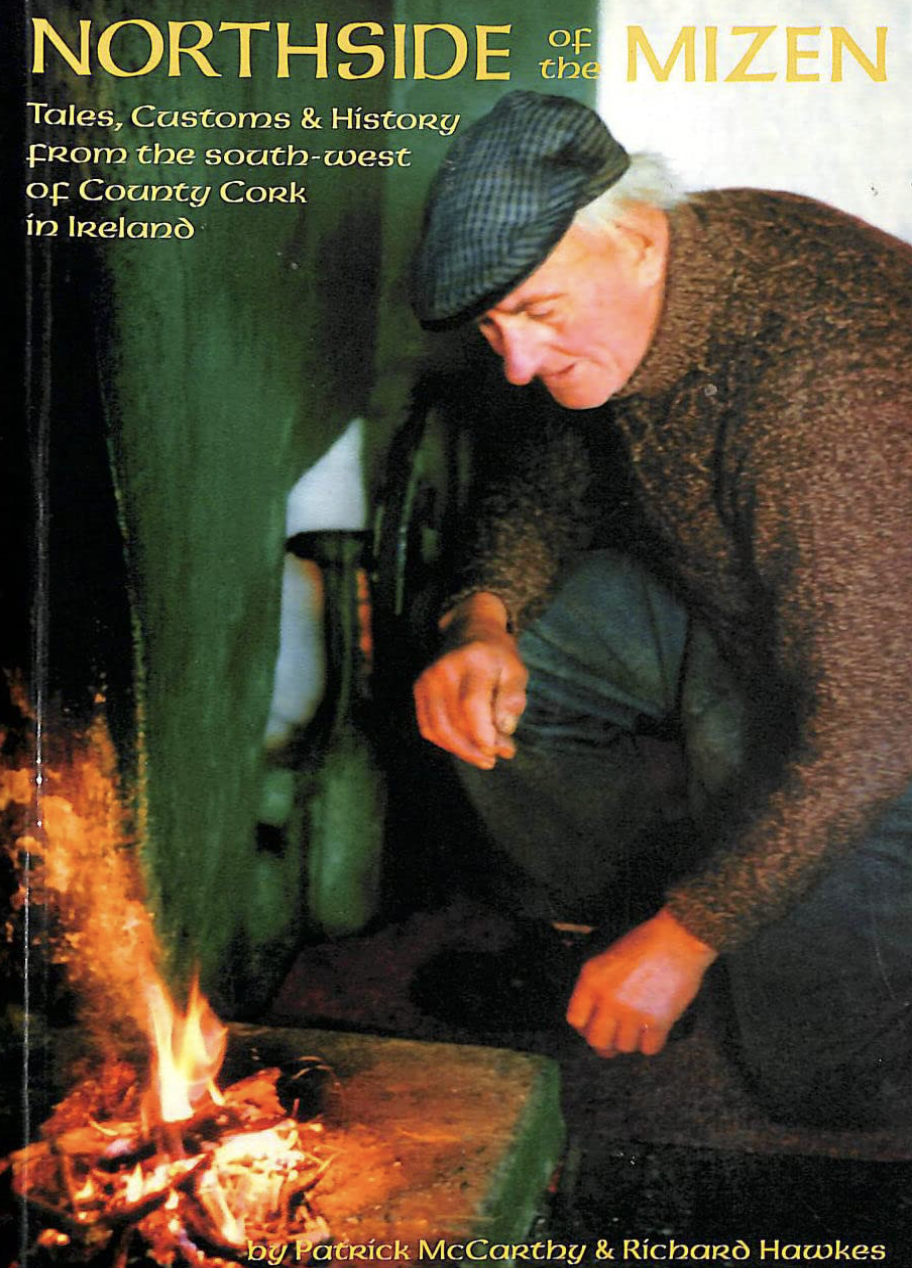
‘The Northside’ is tucked away in the remote and most south-westerly point of Ireland, on the Mizen peninsula. It is a place of wild beauty, with rocky hills to the back, and overlooking the vibrant Dunmanus Bay.
in the past it offered a harsh living, where man has protected himself from the elements blown in from the Atlantic and where one person often relied on another for survival. It gave a camaraderie that can rarely be found today.
This book records a bygone way of life; work, play and the traditions, tales customs and history of the people of the Northside.
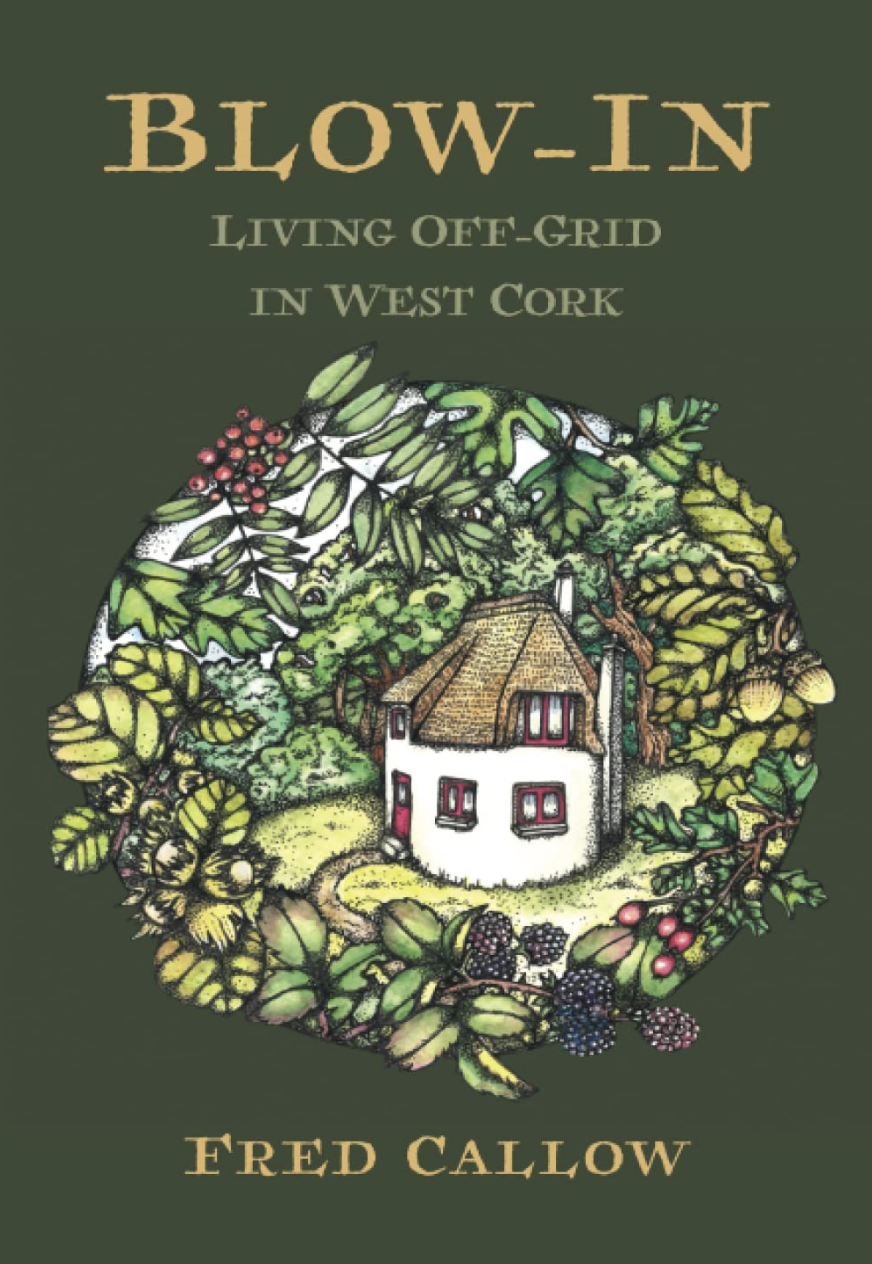
Armed with “self-belief and convictions and music”, Fred Callow in 1990 left the UK to put down roots in rural Ireland in search of a simpler, more authentic way of life. In West Cork, he discovered what he calls his “Family”, a group of like-minded people striving to live an alternative lifestyle in a place called Cool Mountain, not far from the town of Dunmanway.
In Blow-In, Fred tells of his involvement for more than thirty years with this group of “strongly individualistic” and “sometimes eccentric” members, many of them refugees from the harsh political realities of Thatcher’s Britain.
Despite initial suspicions stirred up by unscrupulous media commentators and politicians, this “hippy” community managed eventually to establish an excellent lasting relationship with local people and became a major contributor to the artistic and musical culture of West Cork.
The community wasn’t without its own internal problems, Fred explains in this candid account. But in that regard, it was no different to the world outside it. At the end of the day, he says, it was simply a collection of people “looking to feed and house their families. . .gardeners and smallholders and basket makers having a little fun drinking and playing music together along the journey”.
Blow-In is an important contribution to recent West Cork history. It also offers a thought-provoking, critical reflection on the changes that have taken place in rural Ireland over the past three decades.

SHORTLISTED FOR THE WOMEN'S PRIZE FOR FICTION 2024 WINNER OF THE WRITERS' PRIZE FOR FICTION 2024 Carmel had been alone all her life. The baby knew this. They looked at each other, and all of time was there. The baby knew how vast her mother's loneliness had been. 'A magnificent novel' SALLY ROONEY Nell is a young woman with adventure on her mind. As she sets out into the world, she finds her family history hard to escape. For her mother, Carmel, Nell's leaving home opens a space in her heart, where the turmoil of a lifetime begins to churn. Over them both falls the long shadow of Carmel's famous father, an Irish poet of beautiful words and brutal actions. From our greatest chronicler of family life, The Wren, The Wren is a story of the love that can unite us, and the individual acts that threaten this vital bond. 'A triumph.treasure it' SUNDAY TIMES 'One of the great living writers on the subject of family' NEW YORK TIMES 'A must-read' MARGARET ATWOOD (on Twitter) 'Might just be Anne Enright's best yet' LOUISE KENNEDY *A SUNDAY TIMES , OBSERVER , GUARDIAN , TLS , HARPER'S BAZAAR , NEW STATESMAN , THE NEW YORKER , TIME AND WASHINGTON POST BOOK OF THE YEAR*
Against the Tide is a story told with honesty and great emotion; the narrative of a life in which tragedy and good fortune succeeded each other with bewildering speed.
After training as a doctor, Noël Browne experienced at first hand the devastating ravages of tuberculosis both personally and professionally. Drawn to politics, he was appointed Minister for Health on his first day in the Dáil at the age of thirty three. His single-minded campaign for reform of the health system, especially the Mother and Child Scheme of 1951, encountered the strenuous opposition of both the Catholic Church and the medical establishment. Abandoned by his party colleagues, he embarked on a stormy political career over the following thirty years. For nearly forty years, Noel Browne's name has been synonymous with political controversy. He was idolised by his supporters; demonised by those who opposed him. Against the Tide was an instant bestseller on its publication in 1986. It has become a classic political memoir - subjective, passionate, controversial and beautifully written.
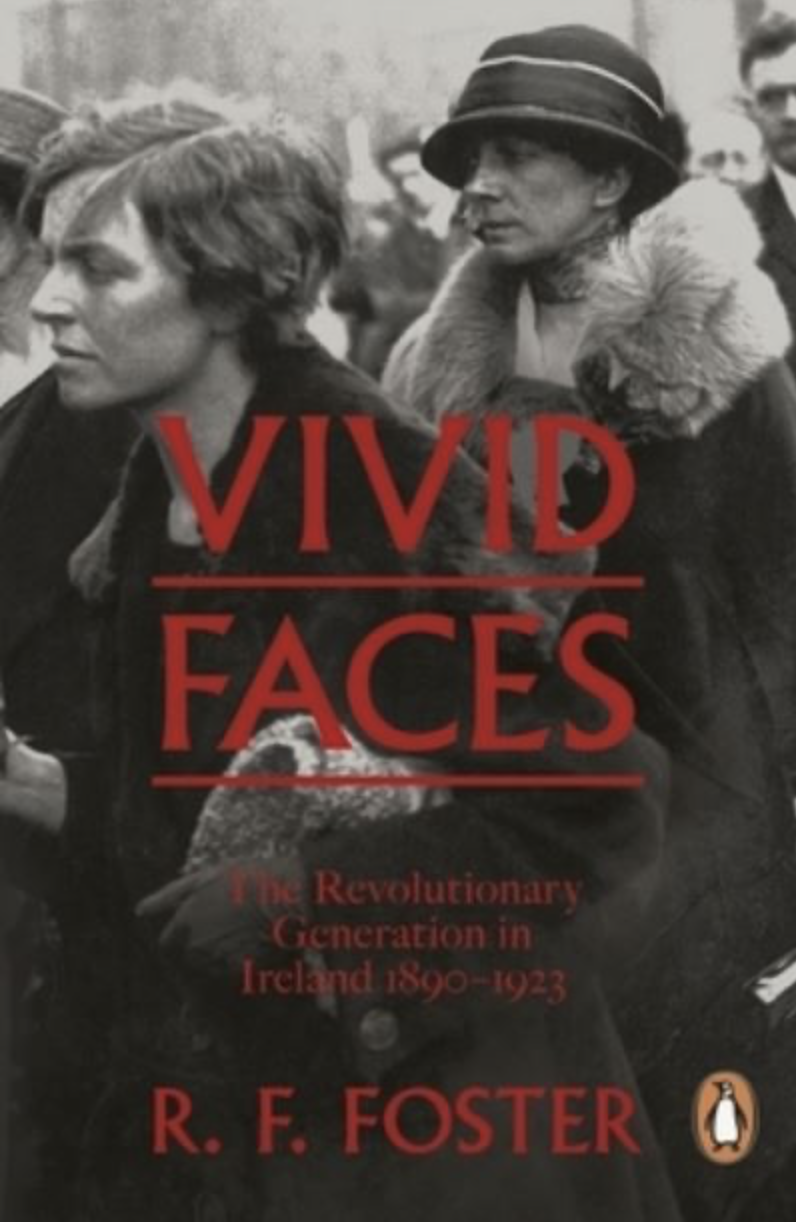
OBSERVER BOOKS OF THE YEAR 2015 TIMES LITERARY SUPPLEMENT BOOKS OF THE YEAR and OBSERVER BOOKS OF THE YEAR 2014 WINNER OF THE AMERICAN HISTORICAL ASSOCIATION'S MORRIS D. FORKOSCH PRIZE 2016 'The most complete and plausible exploration of the roots of the 1916 Rebellion... essential reading' Colm Tóibìn Vivid Faces surveys the lives and beliefs of the people who made the Irish Revolution: linked together by youth, radicalism, subversive activities, enthusiasm and love. Determined to reconstruct the world and defining themselves against their parents, they were in several senses a revolutionary generation. The Ireland that eventually emerged bore little relation to the brave new world they had conjured up in student societies, agit-prop theatre groups, vegetarian restaurants, feminist collectives, volunteer militias, Irish-language summer schools, and radical newspaper offices. Roy Foster's book investigates that world, and the extraordinary people who occupied it. Looking back from old age, one of the most magnetic members of the revolutionary generation reflected that 'the phoenix of our youth has fluttered to earth a miserable old hen', but he also wondered 'how many people nowadays get so much fun as we did'. Working from a rich trawl of contemporary diaries, letters and reflections, Vivid Faces re-creates the argumentative, exciting, subversive and original lives of people who made a revolution, as well as the disillusionment in which it ended

A brisk, concise, and readable overview of Irish history from the Protestant Reformation to the dawn of the twenty-first century Five centuries of Irish history are explored in this informative and accessible volume. John Gibney proceeds from the beginning of Ireland's modern period and continues through to virtually the present day, offering an integrated overview of the island nation's cultural, political, and socioeconomic history. This succinct, scholarly study covers important historical events, including the Cromwellian conquest and settlement, the Great Famine, and the struggle for Irish independence. Gibney's book explores major themes such as Ireland's often contentious relationship with Britain, its place within the British Empire, the impact of the Protestant Reformation, the ongoing religious tensions it inspired, and the global reach of the Irish diaspora. This unique, wide-ranging work assimilates the most recent scholarship on a wide range of historical controversies, making it an essential addition to the library of any student of Irish studies.

'At least in The Handmaid's Tale they value babies, mostly. Not so in the true stories here' Margaret Atwood '[A] furious, necessary book' Sinéad Gleeson Until alarmingly recently, the Catholic Church, acting in concert with the Irish state, operated a network of institutions for the concealment, punishment and exploitation of 'fallen women'. In the Magdalene laundries, girls and women were incarcerated and condemned to servitude. And in the mother-and-baby homes, women who had become pregnant out of wedlock were hidden from view, and in most cases their babies were adopted - sometimes illegally. Mortality rates in these institutions were shockingly high, and the discovery of a mass infant grave at the mother-and-baby home in Tuam made news all over the world. The Irish state has commissioned investigations. But the workings of the institutions and of the culture that underpinned it - a shame-industrial complex - have long been cloaked in secrecy and silence. For countless people, a search for answers continues. Caelainn Hogan - a brilliant young journalist, born in an Ireland that was only just starting to free itself from the worst excesses of Catholic morality - has been talking to the survivors of the institutions, to members of the religious orders that ran them, and to priests and bishops. She has visited the sites of the institutions, and studied Church and state documents that have much to reveal about how they operated. Reporting and writing with great curiosity, tenacity and insight, she has produced a startling and often moving account of how an entire society colluded in this repressive system, and of the damage done to survivors and their families. In the great tradition of Anna Funder's Stasiland and Barbara Demick's Nothing to Envy: Real Lives in North Korea - both winners of the Samuel Johnson Prize - Republic of Shame is an astounding portrait of a deeply bizarre culture of control. 'Achingly powerful ... There will be many people who don't want to read Republic of Shame , for fear it will be too much, too dark, too heavy. Please don't be afraid. Read it. Look it in the eye' Irish Times 'A must read for everyone' Lynn Ruane 'Republic of Shame is a careful, sensitive and extremely well-written book - but it is harrowing. It would break your heart in two' Ailbhe Smyth 'Hogan's captivatingly written stories of people who were consigned to what she calls the "shame-industrial complex" puts faces - many old now, and lined with pain - to the clinical data ... Brilliant' Sunday Times 'Utterly brilliant. Please read it' Marian Keyes 'Riveting, immensely insightful and horrifically recognisable' Emma Dabiri '[A] sensitive, can't-look-away book ... Through moving stories, Hogan shows how the past is still present' NPR

South-west Donegal, Ireland, June 1856.
From the time that the blight first came on the potatoes in 1845, armed and masked men dubbed Molly Maguires had been raiding the houses of people deemed to be taking advantage of the rural poor. On some occasions, they represented themselves as 'Molly's Sons', sent by their mother, to carry out justice; on others, a man attired as a woman, introducing 'herself' as Molly Maguire, demanding redress for wrongs inflicted on her children. The raiders might stipulate the maximum price at which provisions were to be sold, warn against the eviction of tenants, or demand that an evicted family be reinstated to their holding. People who refused to meet their demands were often viciously beaten and, in some instances, killed -- offences that the Constabulary classified as 'outrages'. Catholic clergymen regularly denounced the Mollies and in 1853, the district was proclaimed under the Crime and Outrage (Ireland) Act. Yet the 'outrages' continued.
Then, in 1856, Patrick McGlynn, a young schoolmaster, suddenly turned informer on the Mollies, precipitating dozens of arrests. Here, a history of McGlynn's informing, backlit by episodes over the previous two decades, sheds light on that wave of outrage, its origins and outcomes, the meaning and the memory of it. More specifically, it illuminates the end of 'outrage' -- the shifting objectives of those who engaged in it, and also how, after hunger faded and disease abated, tensions emerged in the Molly Maguires, when one element sought to curtail such activity, while another sought, unsuccessfully, to expand it. And in that contention, when the opportunities of post-Famine society were coming into view, one glimpses the end, or at least an ebbing, of outrage -- in the everyday sense of moral indignation -- at the fate of the rural poor. But, at heart, The End of Outrage is about contention among neighbours -- a family that rose from the ashes of a mode of living, those consumed in the conflagration, and those who lost much but not all. Ultimately, the concern is how the poor themselves came to terms with their loss: how their own outrage at what had been done unto them and their forbears lost malignancy, and eventually ended. The author being a native of the small community that is the focus of The End of Outrage makes it an extraordinarily intimate and absorbing history

"A rare gift: an inspiring tale about trees, trauma and the very purpose of life." -Andrew Nikiforuk, author of Empire of the Beetle Diana Beresford-Kroeger-a world-recognized botanist and medical biochemist-has revolutionized our understanding of the natural world with her startling insights into the hidden life of trees. In this riveting memoir, she uncovers the roots of her discoveries in her extraordinary childhood in Ireland. Soon after, her brilliant mind bloomed into an illustrious scientific career that melds the intricacies of the natural world with the truths of traditional Celtic wisdom. To Speak for the Trees uniquely blends the story of Beresford-Kroeger's incredible life and her outstanding achievement as a scientist. It elegantly shows us how forests can not only heal us as people but can also help save the planet.
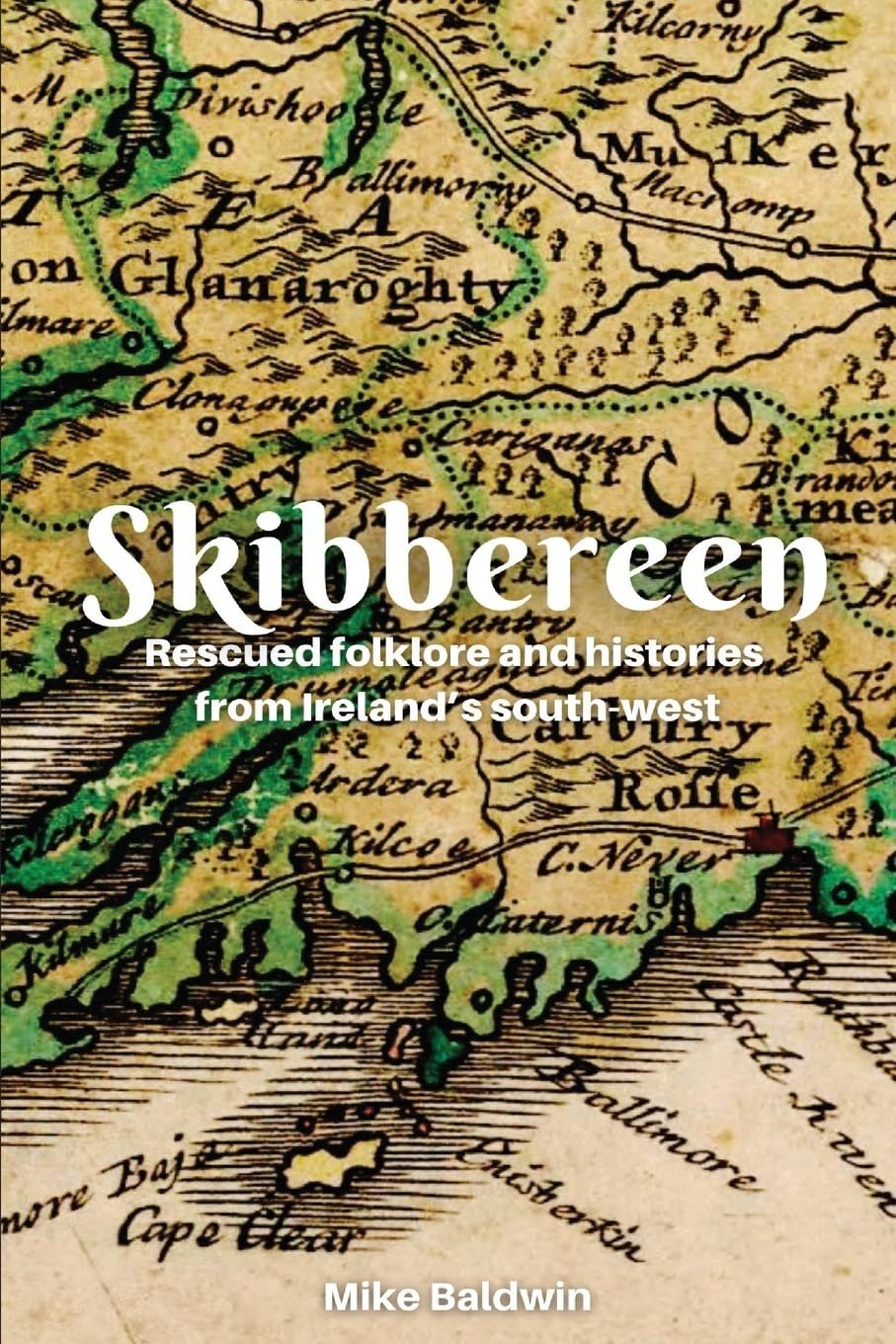
The survival of folklore is a rare thing. In a world fixated with the modern and new, many no longer see any relevance in what they consider to be old. But folklore is more than a glimpse into our pasts. It is vibrant and alive, surviving and, indeed, thriving, layer upon layer in our environs, the places we inhabit and the words we use. What is more, each generation adds its own strata.
The stories in this book are from the town of Skibbereen, situated at the heart of West Cork, Ireland. In 1937, at the behest of The National Folklore Commission, who identified the loss of this important and valuable heritage, the children from Skibbereen's schools set to work, committing tales narrated by their parents and grandparents to paper. Here you will find stories and histories from Abbeystrowry, Aghadown, Castlehaven, the Convent of Mercy (Skibbereen), Corravoley, Creagh, Dooneen, Drishanemore, Hare [Heir] Island, Kilcoe, Lisheen, Lissalohorig, Lough Hyne, Ringagrogy and Sherkin Islands, and the town of Skibbereen.
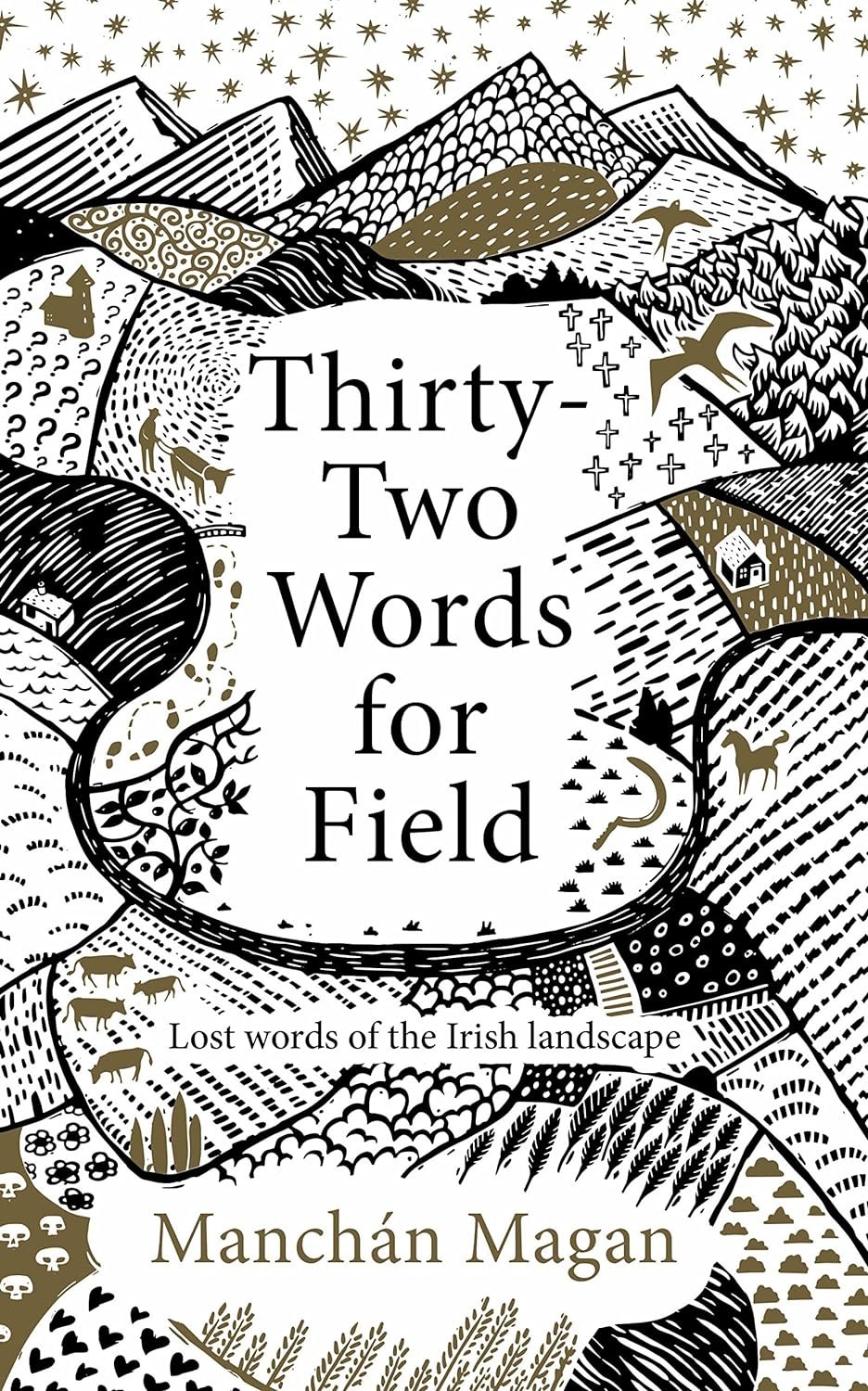
The Irish language has thirty-two words for field. Among them are:
Geamhar – a field of corn-grass
Tuar – a field for cattle at night
Réidhleán – a field for games or dancing
Cathairín – a field with a fairy-dwelling in it
The richness of a language closely tied to the natural landscape offered our ancestors a more magical way of seeing the world. Before we cast old words aside, let us consider the sublime beauty and profound oddness of the ancient tongue that has been spoken on this island for almost 3,000 years.
In Thirty-Two Words for Field, Manchán Magan meditates on these words – and the nuances of a way of life that is disappearing with them.

Our ancestors lived in a unique and complex society that was inspired by nature and centred upon esteemed poets, seers, monks, healers and wise women, all of whom were deeply connected to the land around them. This relationship to the cycles of the natural world – from which we are increasingly dissociated – was the animating force in their lives.
With infectious joy and wonder, Manchán Magan roams through Ireland's ancient bogs, rivers, mountains and shorelines, tracing our ancestors' footsteps. He uncovers the myths and lore that have shaped a national identity that is quietly embedded in the land, which has endured ice ages, famine and floods.
A magical and reinvigorating exploration into the wisdom that lies beneath us, Listen to the Land Speak casts the world in a new light.
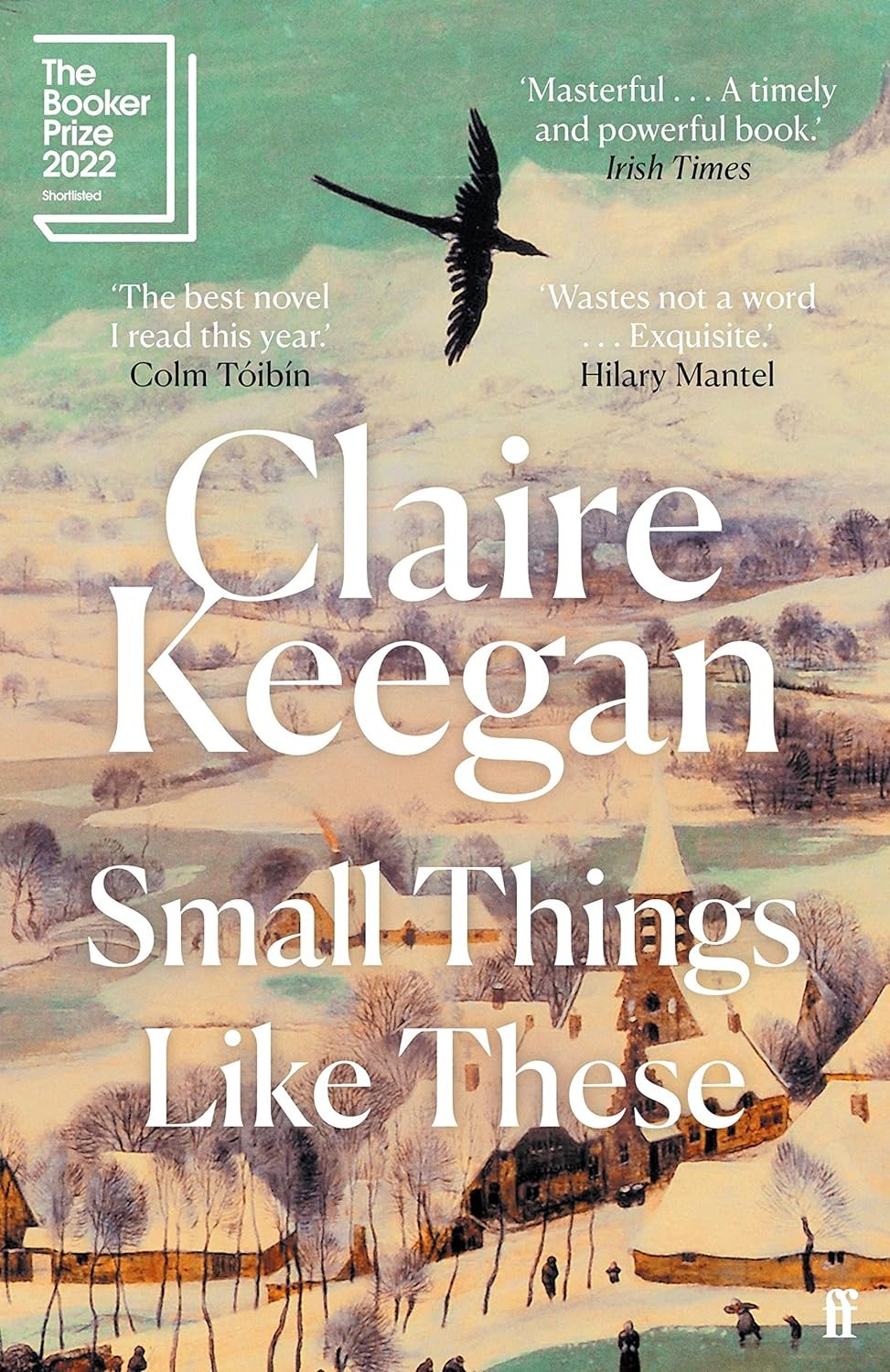
It is 1985, in an Irish town. During the weeks leading up to Christmas, Bill Furlong, a coal and timber merchant, faces into his busiest season. As he does the rounds, he feels the past rising up to meet him - and encounters the complicit silences of a people controlled by the Church.
WINNER OF THE ORWELL PRIZE AND THE KERRY GROUP IRISH NOVEL OF THE YEAR AWARD
SHORTLISTED FOR THE RATHBONES FOLIO PRIZE AND THE IRISH NOVEL OF THE YEAR AT THE DALKEY LITERARY AWARDS
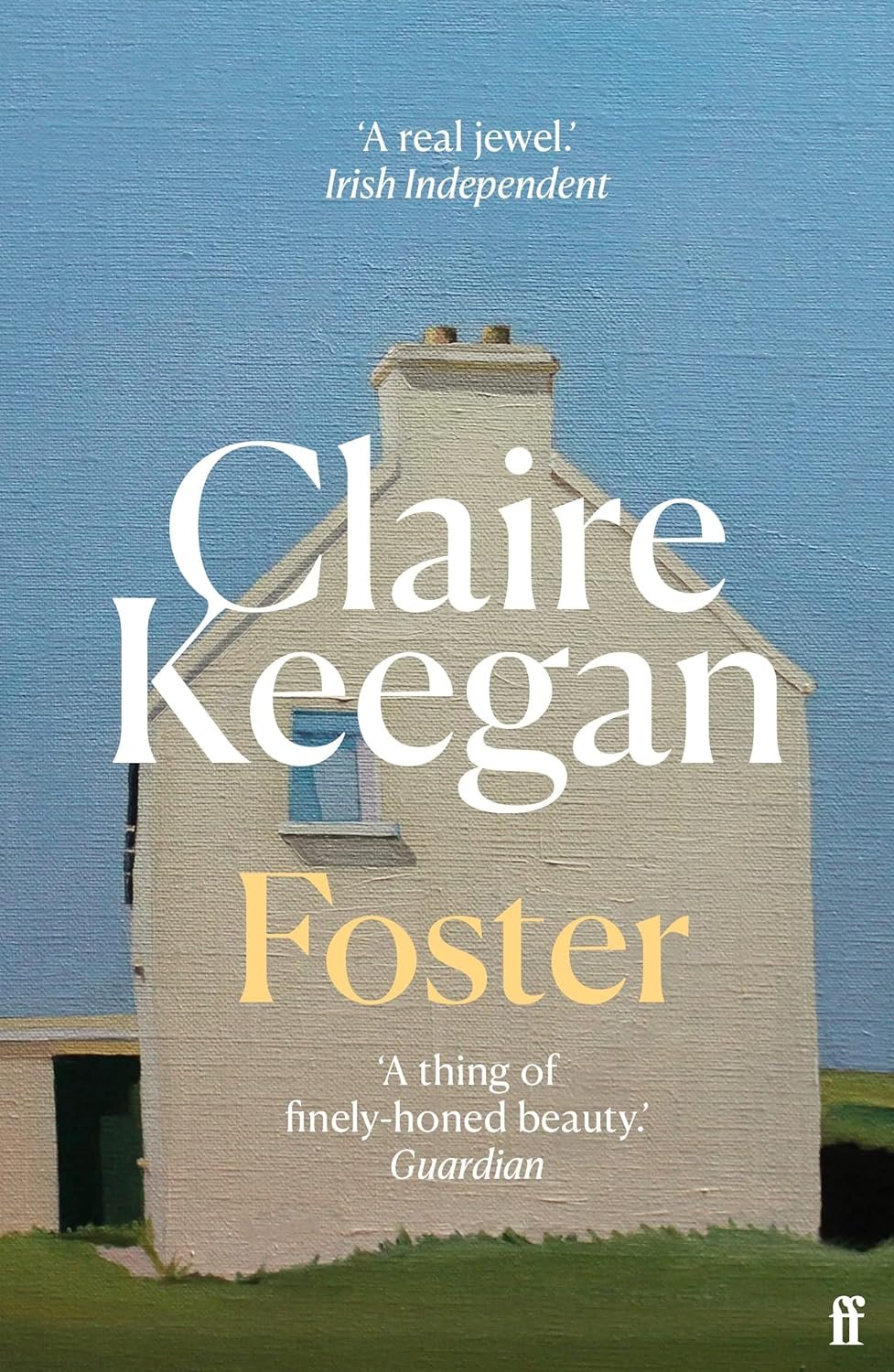
'No better feeling than reading a book that makes you excited to discover everything its author has ever written...' - Douglas Stuart (Winner of the Booker Prize 2020)
'Foster confirms Claire Keegan's talent. She creates luminous effects with spare material, so every line seems to be a lesson in the perfect deployment of both style and emotion' - Hilary Mantel (Winner of the Booker Prize 2012 and 2009)
'Marvellous-exact and icy and loving all at once.' - Sarah Moss
'A haunting, hopeful masterpiece.' - Sinéad Gleeson
A small girl is sent to live with foster parents on a farm in rural Ireland, without knowing when she will return home. In the strangers' house, she finds a warmth and affection she has not known before and slowly begins to blossom in their care. And then a secret is revealed and suddenly, she realizes how fragile her idyll is.
Winner of the Davy Byrnes Memorial Prize, Foster is now published in a revised and expanded version. Beautiful, sad and eerie, it is a story of astonishing emotional depth, showcasing Claire Keegan's great accomplishment and talent.
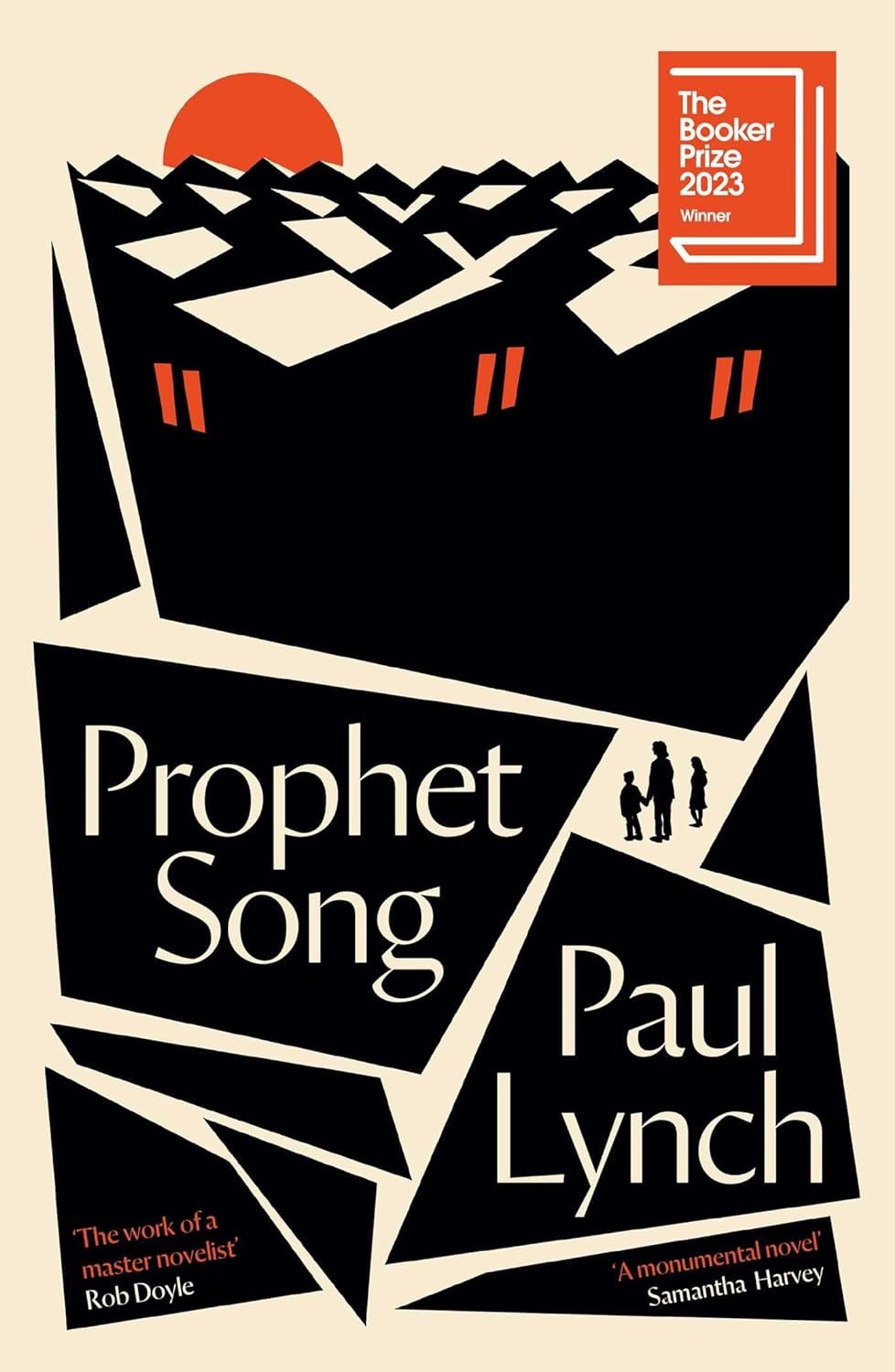
Winner of the 2023 Booker Prize
IF THERE WAS EVER A CRUCIAL BOOK FOR OUR CURRENT TIMES, IT'S PAUL LYNCH'S PROPHET SONG... BRILLIANTLY HAUNTING.' OBSERVER
* THE SUNDAY TIMES BESTSELLER *
The explosive literary sensation: a mother faces a terrible choice as Ireland slides into totalitarianism
On a dark, wet evening in Dublin, scientist and mother-of-four Eilish Stack answers her front door to find the GNSB on her step. Two officers from Ireland’s newly formed secret police are here to interrogate her husband, a trade unionist.
Ireland is falling apart. The country is in the grip of a government turning towards tyranny and when her husband disappears, Eilish finds herself caught within the nightmare logic of a society that is quickly unravelling.
How far will she go to save her family? And what – or who – is she willing to leave behind?
Exhilarating, terrifying and propulsive, Prophet Song is a work of breathtaking originality, offering a devastating vision of a country at war and a deeply human portrait of a mother’s fight to hold her family together.
'A compassionate, propulsive and timely novel that forces the reader to imagine — what if this was me?' FT

An Post Irish Book Award winner, 2022
'The stories are absorbing, the writing charismatic and the ideas thought-provoking' Irish Independent
'Fascinating ... a manifesto for saving our own corner of the planet through letting things be' Irish Times, The Gloss
'Daltun writes with passion and purpose of the way we should live now' RTÉ Guide
On the Beara peninsula in West Cork, a temperate rainforest flourishes. It is the life work of Eoghan Daltun, who had a vision to rewild a 73-acre farm he bought, moving there from Dublin with his family in 2009.
An Irish Atlantic Rainforest charts that remarkable journey. Part memoir, part environmental treatise, as a wild forest bursts into life before our eyes, we're invited to consider the burning issues of our time: climate breakdown, ecological collapse, and why our very survival as a species requires that we urgently and radically transform our relationship with nature.
This is a story as much about doing nothing as taking action - allowing natural ecosystems to return and thrive without interference, and in doing so heal an ailing planet.
Powerfully descriptive, lovingly told, An Irish Atlantic Rainforest presents an enduring picture of the regenerative force of nature, and how one Irishman let it happen.
'I met Mollie's paintings before I met Mollie'
Shortly after the imposed isolation of the pandemic, Sara Baume came across a painting at a pop-up exhibition in a renovated shed in rural West Cork. It so intrigued her that she was inspired to make contact with the artist. Mollie Douthit, a North Dakotan exile, was living and working alone in a log cabin down a ravaged laneway surrounded by rugged coastline. Sara and Mollie discovered they had much in common - a dysfunctional attitude towards companionship, a devotion to the daily rituals of their respective art practices, an affinity with nature. They started to meet every month for soup and punishing swims in the Atlantic.
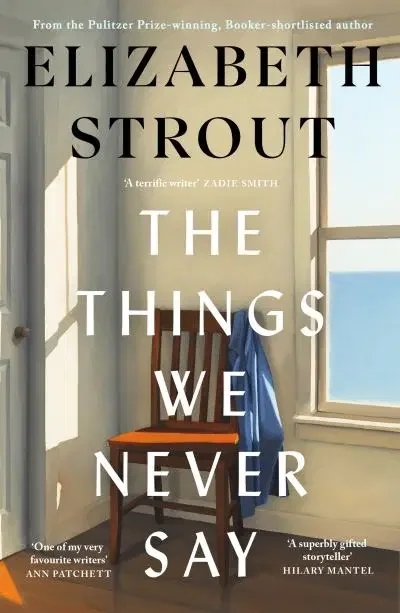
Elizabeth Strout’s new novel tells the story of a chance incident that sparks a powerful realisation in a beloved teacher’s life—a poignant meditation on loneliness, friendship, parenthood, and the importance of truth in a capsizing world.
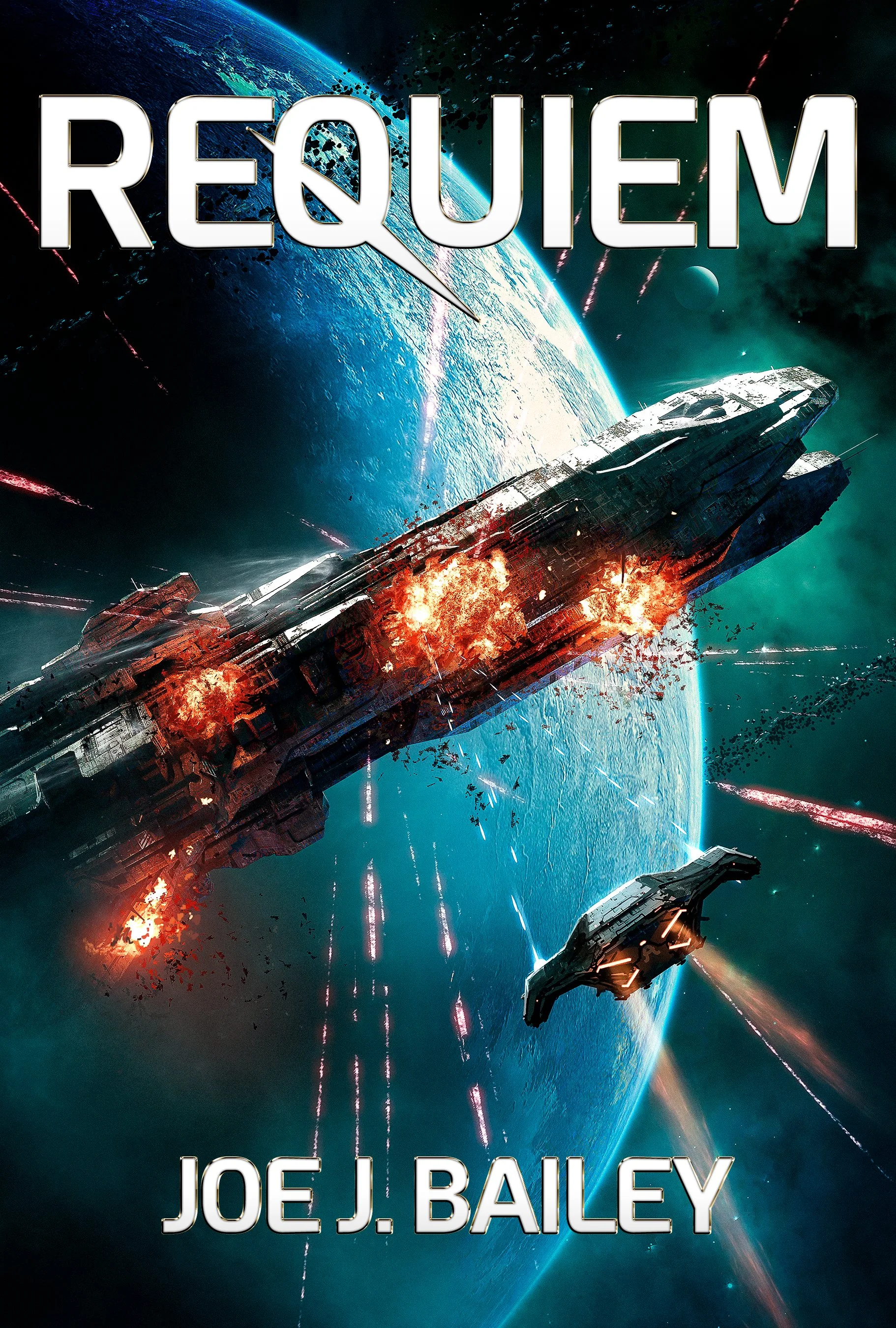
A spaceship captain with a criminal past wakes up to find his friends dead. Now on the run from a mysterious CEO, he sets out to form a new crew and get revenge.
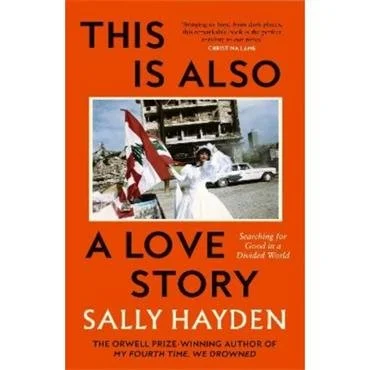
From the Orwell Prize-winning author of My Fourth Time, We Drowned comes a powerful account of human resilience, capturing our capacity for love and connection against all odds.
We live in an era defined by crisis – whether it be war and displacement, or climate collapse and rapidly widening inequality. Acclaimed international correspondent Sally Hayden has spent her career covering some of the darkest moments of our time, and yet even in the face of unimaginable adversity, she’s witnessed the love and care of everyday people.
In This is Also a Love Story, Hayden introduces us to a couple separated by the Russian invasion of Ukraine and a mother in northeast Nigeria who risks everything to save her daughter from forced marriage to Boko Haram militants. We meet a group of Syrian women searching tirelessly for their missing spouses and children, while launching a call for justice, and learn about letters from the bereaved to the dead, still being written over a decade after the tsunami that devastated Japan.
In stories that crisscross the globe, from Uganda to Lebanon, Rwanda to Iraq, Hayden asks us: what if news was recounted through the prism of the actions people take for those they love? Would it become harder to dehumanise those who seem different to us? This is Also a Love Story dares us to recognise how connection, self-sacrifice and love can be found in even the most difficult of times, and – as a result – to question what might be needed to create a better world.
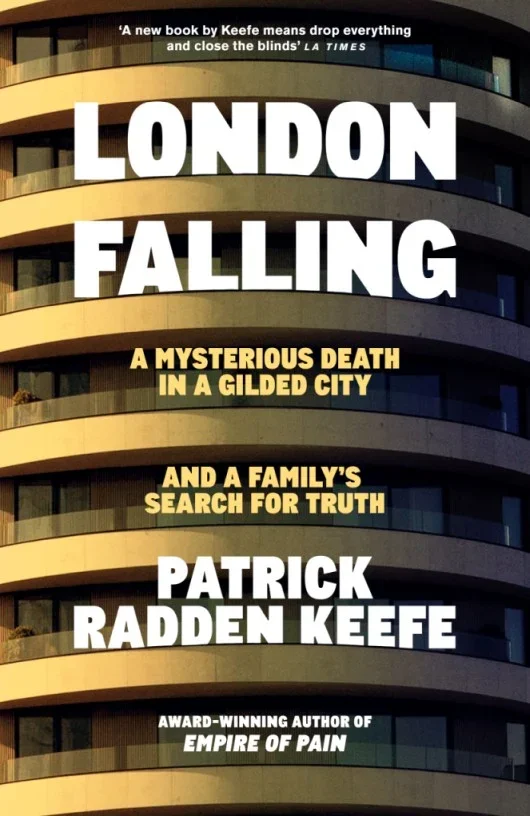
From the Baillie Gifford Prize-winning and Sunday Times bestselling author of Empire of Pain and Say Nothing comes a riveting story of wealth, violence and deceit at the heart of a glittering city.
In 2019, a London teenager, Zac Brettler, fell to his death from a luxury apartment building on the banks of the Thames. On a desperate quest to understand how their son had died, his grieving parents made a terrible discovery: Zac had been leading a fantasy life, posing as the son of a wealthy Russian oligarch.
Patrick Radden Keefe follows Zac’s parents on a dark journey to find out what brought him to the balcony that night – and how a teenager’s life of make-believe drew him into the city’s terrifying underworld.
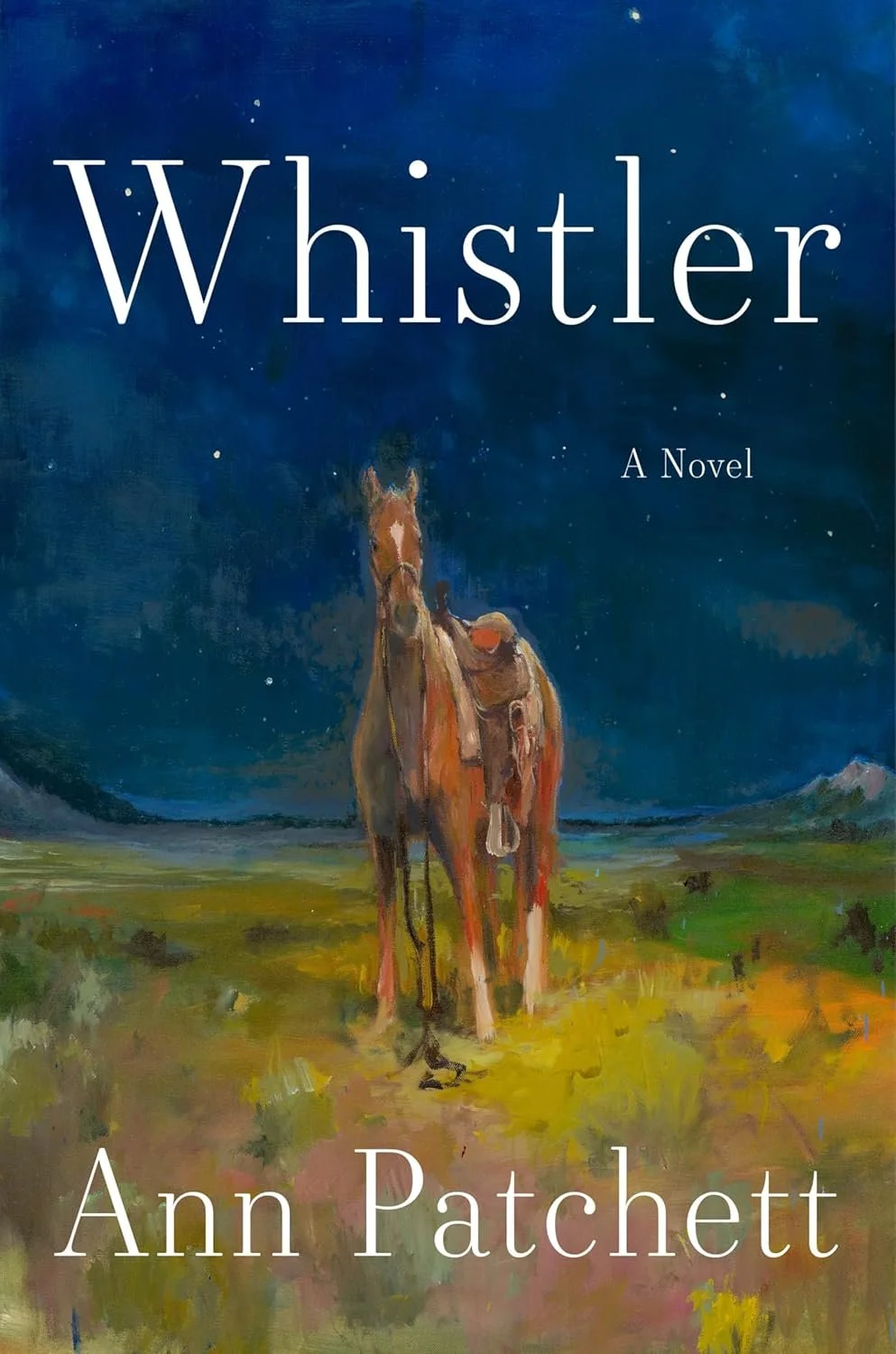
A moving, luminous story about how family, memory and love endures, Whistler paints an intimate portrait of how the feeling of being known by one other person, even for a short period of time, can change everything.
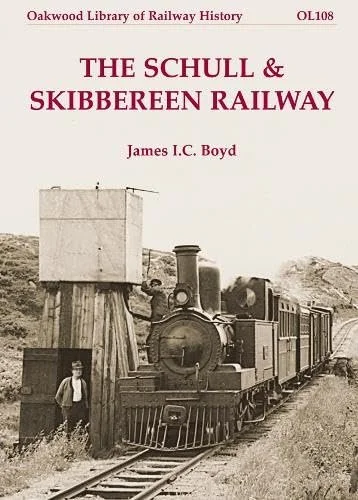
This is a straight reprint in softback of the Oakwood book first published in 1999 as a hardback, albeit with a new front cover image. Boyd's book was built on a previous small Oakwood book on the subject by A. T. Newham, published in 1964. The Schull and Skibbereen Railway operated in Ireland's West County Cork but is more aptly called a Tramway. The story of this light railway has been variously described as colourful, eventful and fascinating. With nineteen chapters and four appendices, Boyd's account is very comprehensive; in 1999, the Southern Star described it as definitive and containing many beautiful photographs, sketches and charts.
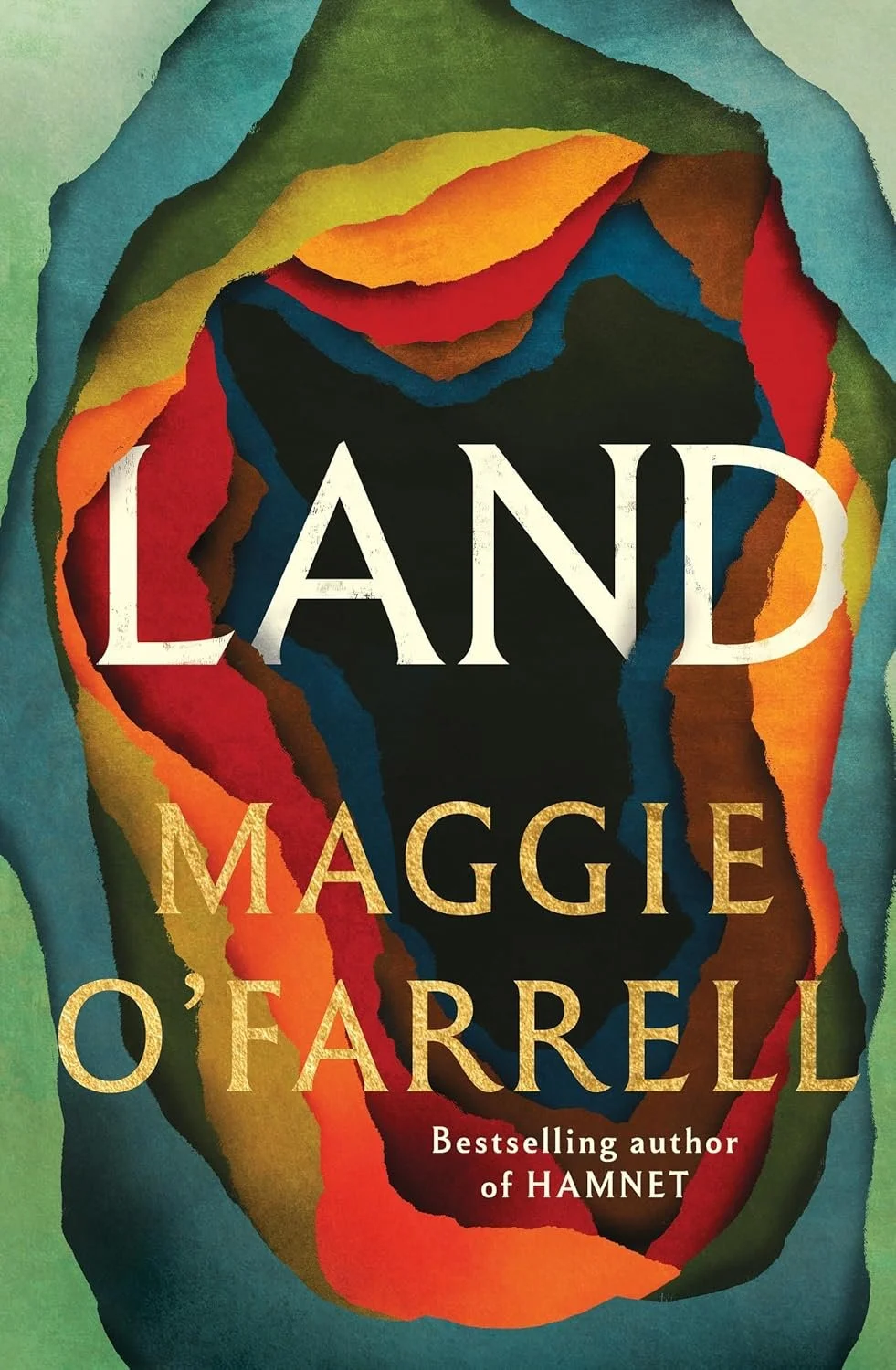
Maggie O'Farrell's Land explores grief, memory and survival as a family tries to rebuild on Irish soil. Literary readers will be drawn to its emotional precision, elemental setting and the quiet drama of making a home after loss.
Theses stories from the Museum of Birds and Beasts project relate to animals, birds, fishing and folklore and were collected from the islanders of West cork; Bere Island, Oileán Chléire, Dursey Island, Heir Island, Long Island, Sherkin Island and Whiddy Island and from former residents of the now uninhabited Middle Calf Island and Horse Island. Memories from the East and West Skeam Islands are also included in this collection.
The stories are told in the islanders’ own voices and grew out of individual conversations over the course of two years. They record a way of life shaped by necessity and the enduring relationship between people, animals, the land and the sea.
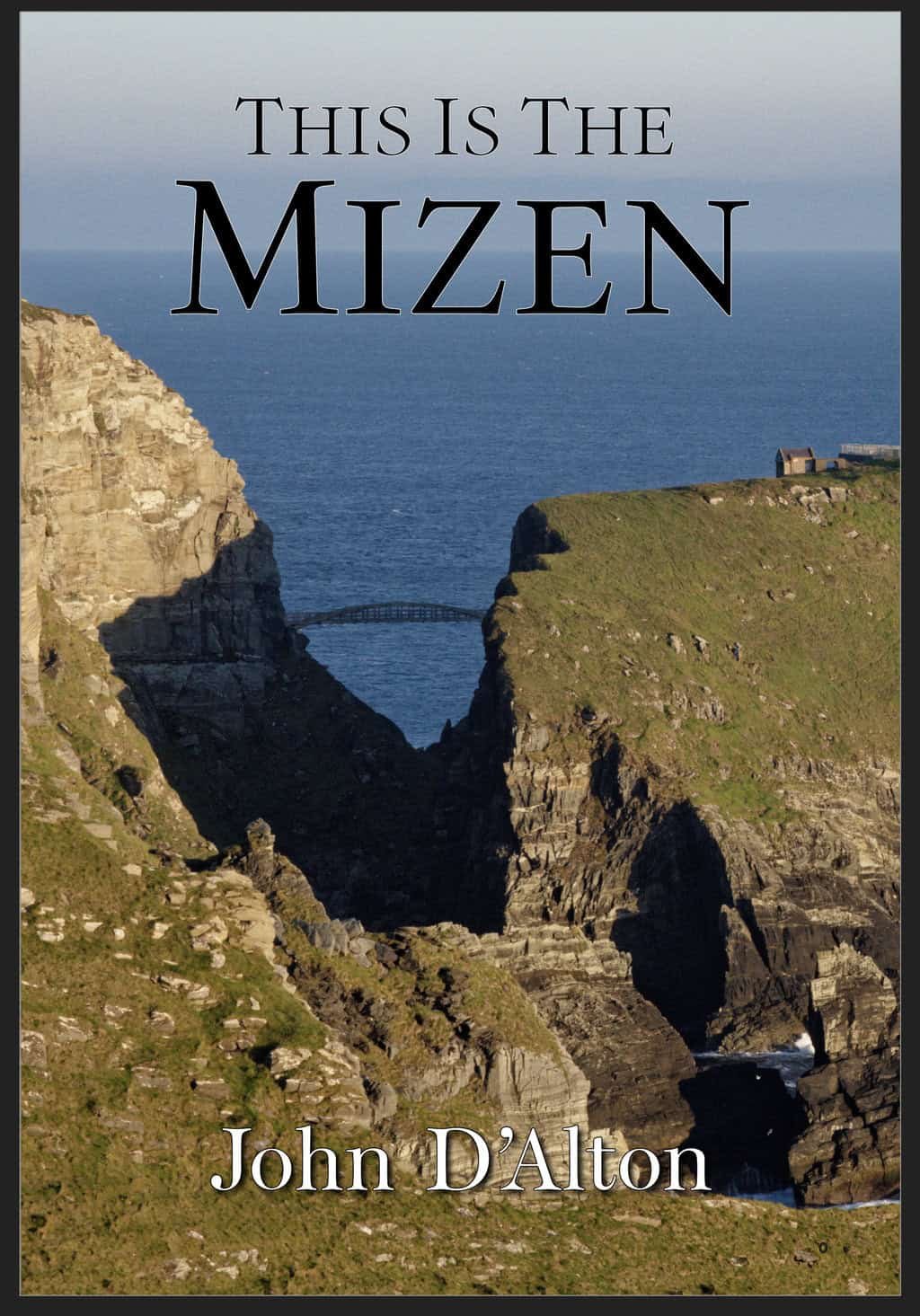
The long-time Schull resident examines a region he says has often been obscured by myth and romanticisation. He uncovers overlooked aspects of the region’s history, from prehistoric structures and medieval trade to famine-era injustices. The book also includes many images of the area’s beautiful and unique landscape.
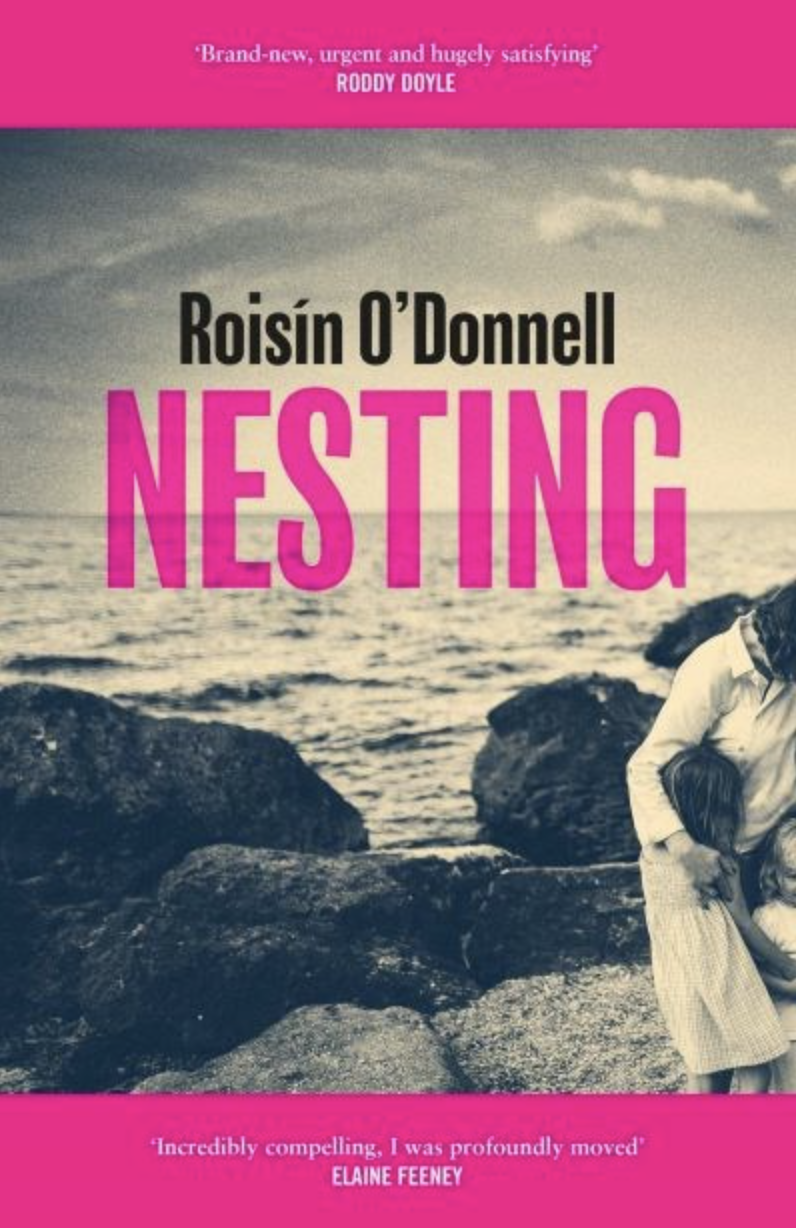
'Brand-new, urgent and hugely satisfying' RODDY DOYLE 'As emotionally charged as it is brutally real. The writing is flawless. I was profoundly moved' ELAINE FEENEY 'Will make your blood boil and your heart soar. This is an important novel' CLAIRE KILROY 'Gorgeous, maddening, thrilling and compassionate' SHEILA ARMSTRONG 'Authentic, vivid and important. I read with my heart in my mouth' UNA MANNION An extraordinary and urgent debut by a prize-winning Irish writer, NESTING introduces an unforgettable new voice in fiction. On a bright spring afternoon in Dublin, Ciara Fay makes a split-second decision that will change everything. Grabbing an armful of clothes from the washing line, Ciara straps her two young daughters into her car and drives away. Head spinning, all she knows for certain is that home is no longer safe. This was meant to be an escape. But with dwindling savings, no job, and her family across the sea, Ciara finds herself adrift, facing a broken housing system and the voice of her own demons. As summer passes and winter closes in, she must navigate raising her children in a hotel room, searching for a new home and dealing with her husband Ryan's relentless campaign to get her to come back. Because leaving is one thing, but staying away is another. What will it take for Ciara to rebuild her life? Can she ever truly break away from Ryan's control - and what will be the cost? Tense, beautiful, and underpinned by an unassailable love, hope and resilience, this is the story of one woman's bid to start over. Advance reader reviews for NESTING: 'From the first page, NESTING is addictive' ***** 'A heart wrenching but hopeful read, I loved it' ***** 'Not a word is wasted. This is the type of novel that will leave you feeling breathless' ***** 'The writing is incredible, and it will stay with me for a long time' ***** 'A truly inspiring book. More than a "story"' ***** 'From the very first page, I was rooting for Ciara' ***** 'A powerful story of survival, courage, and the strength of a mother's love' ***** 'I read it overnight. I could not put it down!' ***** 'Beautifully written, I guarantee you will shed a tear or two' ***** 'An unforgettable debut, this searing voice will mark your hearts and minds' ***** 'I'm fairly confident this will be in my top ten books this year and I will be recommending it to everyone I meet' *****

The Ghosts of Rome – A Gripping WWII Thriller of Resistance, Betrayal, and Survival
February 1944. Rome is under Nazi occupation, its people living in fear. But in the shadows, a courageous resistance fights back. Among them is Contessa Giovana Landini, a key member of The Choir—a secret network dedicated to smuggling refugees and Allied soldiers to safety, all while evading the ruthless Gestapo commander, Paul Hauptmann.
Then, during a brutal morning air raid, a mysterious parachutist drops into the city and vanishes into its labyrinthine backstreets. Who is he—an ally, a spy, or something more sinister? As suspicion mounts, the fate of The Choir hangs in the balance, and the Contessa finds herself caught in a treacherous game with Hauptmann himself. His growing obsession with her threatens not only her mission but her life.
With danger at every turn and trust in short supply, The Ghosts of Rome is a breathtaking historical thriller that weaves espionage, courage, and survival in Nazi-occupied Italy.
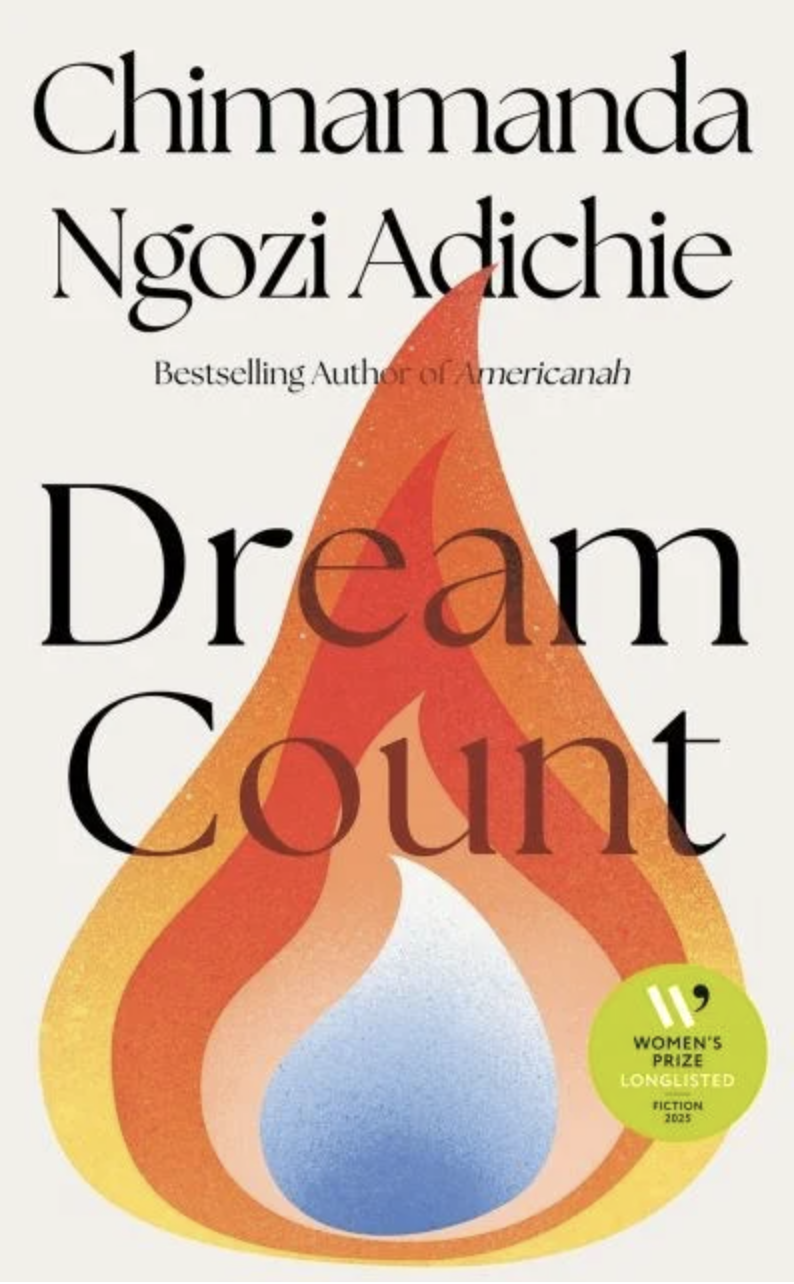
A publishing event ten years in the making-a searing, exquisite new novel by the best-selling and award-winning author of Americanah and We Should All Be Feminists-the story of four women and their loves, longings and desires.
'The return of a literary titan' TELEGRAPH CHOSEN AS A SUNDAY TIMES, GUARDIAN, OBSERVER, FINANCIAL TIMES, INDEPENDENT, TELEGRAPH, GQ and COSMOPOLITAN BOOK OF 2025.
Chiamaka is a Nigerian travel writer living in America. Alone in the midst of the pandemic, she recalls her past lovers and grapples with her choices and regrets. Zikora, her best friend, is a lawyer who has been successful at everything until - betrayed and brokenhearted - she must turn to the person she thought she needed least.
Omelogor, Chiamaka's bold, outspoken cousin, is a financial powerhouse in Nigeria who begins to question how well she knows herself. And Kadiatou, Chiamaka's housekeeper, is proudly raising her daughter in America - but faces an unthinkable hardship that threatens all she has worked to achieve.
In Dream Count, Adichie trains her fierce eye on these women in a sparkling, transcendent novel that takes up the very nature of love itself. Is true happiness ever attainable or is it just a fleeting state? And how honest must we be with ourselves in order to love, and to be loved? A trenchant reflection on the choices we make and those made for us, on daughters and mothers, on our interconnected world, Dream Count pulses with emotional urgency and poignant, unflinching observations on the human heart, in language that soars with beauty and power.
It confirms Adichie's status as one of the most exciting and dynamic writers on the literary landscape. 'Expect everyone to be talking about this one' INDEPENDENT

'Clever, ambitious . . . a smartly structured novel that ratchets up the pace until it's hurtling along as fast as the train itself' - Alice Winn, author of In Memoriam
'Captivating . . . an edge-of-your-seat historical thriller that I couldn't put down' - Shelby Van Pelt, author of Remarkably Bright Creatures It is 1895, and turn-of-the-century Paris is as chaotic as it is glamorous.
Industry and invention have created ever greater wealth and terrible poverty. One autumn morning, an anarchist boards the Granville to Paris express train, determined to make her mark on history.
Aboard the train are others from across the globe: the railway crew who have built a life together away from their wives, a little boy travelling alone for the first time, an artist far from home, a wealthy statesman and his invalid wife, and a young woman with a secret hidden under her dress.
All their fates are bound together as the train speeds towards the City of Light . . . Inspired by a famous rail disaster, The Paris Express is a thrilling ride and a literary masterpiece that evokes an era not so different from our own.
'Donoghue's talents are at such glorious heights in this novel' - Heather O'Neill, author of The Capital of Dreams

A rare combination of experience and talent’ Mick Herron
‘His best yet... Superb, addictively suspenseful, its politics and tradecraft coolly accurate, scary, intricate and complex... The new maestro of espionage thrillers’ Simon Sebag Montefiore
‘A John le Carré level game of cat and mouse. It could have only been written by someone like David McCloskey, who has an insider’s sharp angle’ David Baldacci
‘This enthralling read cements McCloskey’s place in the first division of spy writers’ Financial Times
'Terrific espionage series’ New York Times
THE THIRD NOVEL FROM FORMER CIA OFFICER, THE REST IS CLASSIFIED PODCAST CO-HOST AND THE BESTSELLING AUTHOR OF ***THE TIMES THRILLER OF THE YEAR***DAMASCUS STATION (‘One of the best spy thrillers in years’ THE TIMES) AND ***SUNDAY TIMES BOOK OF THE YEAR*** MOSCOW X
ALL YOUR LIFE YOU’RE CIA.THEN YOU’RE NOT.
A Russian arrives in Singapore with a secret to sell. When the Russian is killed and Sam Joseph, the CIA officer dispatched for the meet, goes missing, Artemis Procter is made a scapegoat and run out of the service. Traded back in a spy swap, Sam appears at Procter’s central Florida doorstep months later with an explosive secret: there is a Russian mole hidden deep within the upper reaches of CIA.
As Procter and Sam investigate, they arrive at a shortlist of suspects made up of both Procter’s closest friends and fiercest enemies. The hunt soon requires Procter to dredge up her own checkered past in service of CIA, placing her and Sam into the sights of a savvy Russian spymaster who will protect Moscow’s mole in Langley at all costs, even if it means wreaking bloody havoc across the United States.
Bouncing between the corridors of Langley and the Kremlin, the thrilling new novel by David McCloskey explores the nature of friendship in a faithless business, and what it means to love a place that does not love you back.
*****FIVE STAR READER REVIEWS:
‘Great spy thriller that is absolutely riveting in its intensity’
‘David McCloskey’s novels are only getting better’
‘The best yet... Hard to put down’
‘Best work to date! No shortage of intrigue, twists, characters that are real, written by someone in the know’
‘A thoroughly exciting read which had me dashing to its conclusion’

In Time of the Child by acclaimed author Niall Williams, we enter the small Irish town of Faha, where Doctor Jack Troy has dedicated his life to caring for the sick and comforting the dying. A doctor’s visit in Faha always brings a sense of foreboding, setting Jack apart from the community he serves.
Living in her father’s shadow, Jack's youngest daughter, Ronnie, has watched her chance at true love slip away, passing up an ill-suited marriage proposal and resigning herself to a quiet life. But during the Advent season of 1962, as Faha prepares for Christmas, a mysterious baby is left on their doorstep. This unexpected arrival transforms both Jack and Ronnie's lives, challenging their understanding of family and reshaping their roles within the community.
As winter unfolds, Time of the Child tells a poignant story of connection, love, and second chances, highlighting the redemptive power of unexpected family in the heart of rural Ireland.

An extraordinarily moving and expansive debut novel that follows three generations of women from New York to rural Ireland and back again It is late September in 2001 and the walls of New York are papered over with photos of the missing. Cora Brady's father is there, the poster she made taped to columns and bridges. Her mother died long ago and now, orphaned on the cusp of adulthood, Cora is adrift and alone. Soon, a letter will arrive with the offer of a new life: far out on the ragged edge of Ireland, in the town where her parents were young, an estranged aunt can provide a home and fulfil a long-forgotten promise. There the story of her family is hidden, and in her presence will begin to unspool. An essential, immersive debut from an astonishing new voice, Confessions traces the arc of three generations of women as they experience in their own time the irresistible gravity of the past: its love and tragedy, its mystery and redemption, and, in all things intended and accidental, the beauty and terrible shade of the things we do.

One Day, Everyone Will Have Always Been Against This is an urgent and necessary reckoning about what it means to live in the West today. As an immigrant, Omar El Akkad believed the West would be a place of freedom and justice for all. But in the past twenty years, reporting on the various Wars on Terror, Ferguson, climate change, Black Lives Matter protests and more, and watching the unmitigated slaughter in Gaza, he has come to the conclusion that much of what the West promises is a lie.
This powerful book is a chronicle of that painful realisation, a moral grappling with what it means – as a citizen of the US, as a father – to carve out some sense of possibility during these devastating times.
Praise for “One Day, Everyone Will Have Always Been Against This”
Each generation looks back in judgement, and sometimes in horror, at the moral blind spots of earlier generations and previous ages. To get a glimpse of how we in the early 21st century might one day be judged for our passivity and hypocrisy, I urge you to read Omar El Akkad’s astonishing book
“David Olusoga”
In this powerful indictment of Western complicity in the genocide of Palestinians, Omar El Akkad asks: how are we supposed to go on living in this world? He looks for his answer to the world’s colonised and oppressed, who have always lived according to a love that cannot be acknowledged by the empire, because it’s a people’s love for one another.
“Isabella Hammad”, (author of Enter, Ghost)
Is this the most urgent book you can read right now? Yes, it is.
Is this the most moral book you can read right now? It sure is.
Is this the most eye-opening book right now? Yep.
Is this the most needed book for our times? Absolutely.
“Rabih Alameddine”
This book is a howl from the heart of our age. I struggle to find more precise wording that might capture its ferocious, fracturing rage, as it seeks to describe the indescribable, make coherent an increasingly incoherent world.
“Richard Flanagan”

A darkly epic novel about connection, disconnection and destruction - from the New York Times -bestselling, National Book Award-winning, Booker Prize-longlisted author of Let the Great World Spin
**Named a 2025 book to look out for by the Observer , Financial Times , Irish Times and New European ** '
Urgent and utterly compelling' KEVIN BARRY 'One of our greatest storytellers' ELIF SHAFAK '
A powerfully realist novel of men at sea. It speaks of the brokenness of our time, the successful and unsuccessful attempts at repairs, and the vulnerability of our world' SALMAN RUSHDIE
Anthony Fennell, a journalist, is in pursuit of a story buried at the bottom of the sea: the network of tiny fibre-optic tubes that carry the world's information across the ocean floor - and what happens when they break. So he has travelled to Cape Town to board the George Lecointe , a cable repair vessel captained by Chief of Mission John Conway.
Conway is a talented engineer and fearless freediver - and Fennell is quickly captivated by this mysterious, unnerving man and his beautiful partner, Zanele. As the boat embarks along the west coast of Africa, Fennell learns the rhythms of life at sea, and finds his place among the band of drifters who make up the crew. But as the mission falters, tensions simmer - and Conway is thrown into crisis.
A terrible, violent tragedy is unfolding in the life he has left behind on land; and, trapped out at sea, it seems as if the vast expanse of the ocean is closing in. Then Conway disappears; and Fennell must set out to find him.
As taut and propulsive as a thriller, and a timeless exploration of narrative and truth, Twist is the work of a master storyteller at the height of his powers. 'Electrifying, propulsive ... A masterful exploration of the elemental forces at work just below the surface of all our lives' COLIN WALSH, author of Kala

Razor-sharp, glittering collection of stories exploring marriage and female friendship, from the Sunday Times and New York Times bestselling author of Romantic Comedy and American Wife.
'No one else writes with such precision and amusement' RED MAGAZINE
In ‘Lost But Not Forgotten,’ Sittenfeld gives readers of her novel Prep a chance to see how our beloved character Lee Fiora is doing thirty years later when she returns from an awkward school reunion. In ‘The Patron Saints of Middle Age,’ a woman looks up two best friends she writes with, whom he moved away from after her divorce. In ‘Creative Differences,’ a photographer from the mid-west quickly realizes that the ‘documentary’ she stars in is a commercial for a multi-national corporation. And in ‘The Marriage Clock,’ a Hollywood producer falls for a bestselling Christian self-help author while working on their film adaptation.
In these twelve dazzling stories, Sittenfeld skewers our assumptions about fame, marriage, and celebrity. Laying bare on the page what we're all thinking but hesitate to say, she explores women's lives at the intersection of sex, love, ambition, and the entangled pursuit of a fulfilling life.
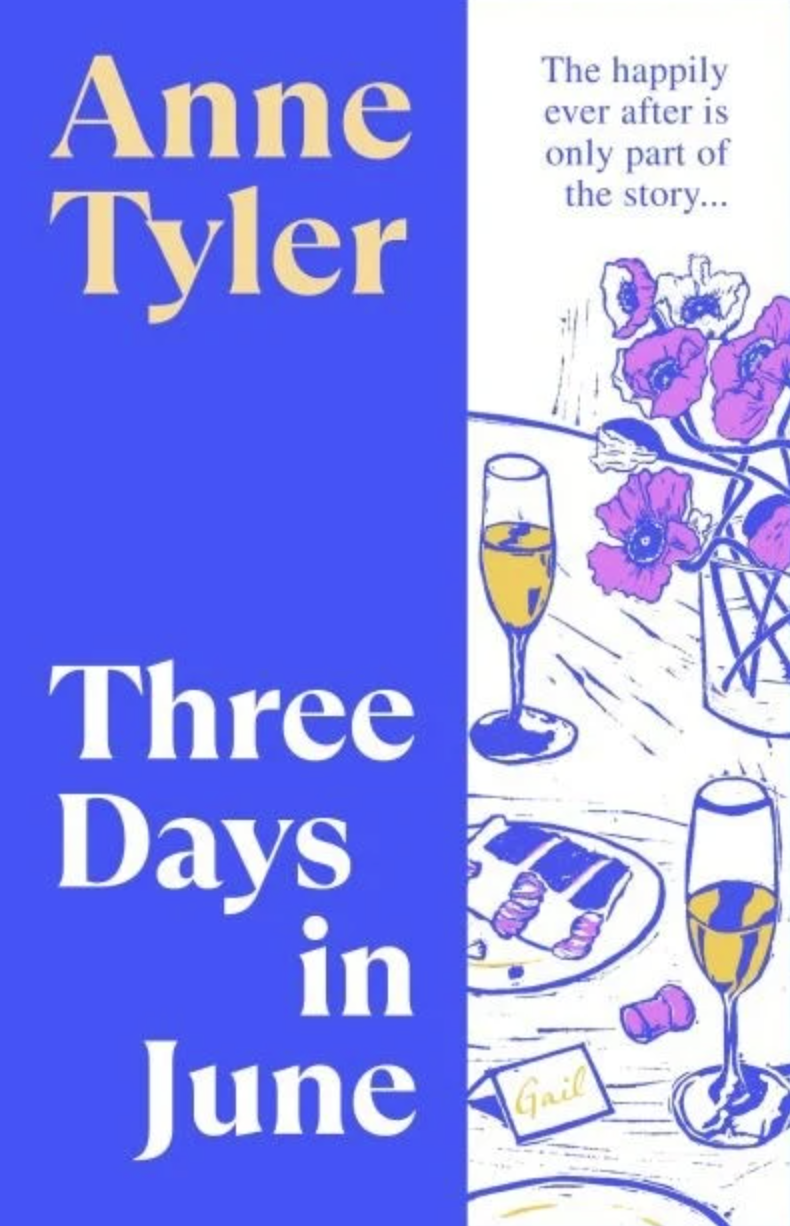
A Witty, Heartfelt Novel About Love, Marriage & Second Chances by Anne Tyler
“A joy to read in a single relaxing afternoon.” – Jacqueline Wilson“I devoured it in one long lazy afternoon – I laughed and cried.” – Victoria Hislop“This is storytelling at its very best.” – Rachel Joyce
The happily ever after is only part of the story…
The day before her daughter’s wedding, Gail Baines is having an absolute disaster. First, she’s losther job (or quit—it depends who you ask). Then, her ex-husband Max turns up expecting to stay for the wedding. He doesn’t even have a suit. Instead, he’s brought back old memories, their shared sense of humour—oh, and a cat in need of a home.
But just as Gail is wondering how she ended up in this mess, her daughter Debbie discovers that her fiancé has been keeping a secret…
As the big day looms, Gail and Max can’t agree on what’s best for Debbie. While Gail is worried sick, Max seems more interested in choosing between salmon or prime rib at the reception—assuming there even is a wedding.
The morning after, as they prepare to go their separate ways, Gail realises that all the questions about Debbie’s future have stirred up her own past. Because happiness takes many forms—and sometimes, the younger generation has a thing or two to teach their parents about love, secrets, and embracing life’s imperfections.
In This Boy's Heart, beloved Irish broadcaster John Creedon invites readers on an intimate journey through the people, places, and moments that shaped him. With warmth, humor, and a keen sense of nostalgia, Creedon recounts tales of his Cork upbringing, weaving together stories of family, friendships, and the Irish landscapes that left an indelible mark on his life. Celebrating the simplicity and beauty of Irish culture, this memoir is a tribute to Creedon’s roots and a universal story of belonging and self-discovery.
Perfect for fans of memoirs, Irish culture, and those drawn to reflective, heartwarming storytelling, This Boy's Heart is an inspiring read that reminds us of the power of home and heritage.

'Compulsive reading. Compassionate, lyrical and full of devilment' Louise Kennedy, author of Trespasses 1973.
In a close-knit community on Ireland's west coast, a baby is found abandoned on the beach. Named Brendan Bonnar by Ambrose, the fisherman who adopts him, Brendan will become a source of fascination and hope for a town caught in the storm of a rapidly changing world. Ambrose, a man more comfortable at sea than on land, brings Brendan into his home out of love. But it's a decision that will fracture his family and force him to try to understand himself and those he cares for. Bookended by the arrival and departure of a single mesmerizing boy, Garrett Carr's The Boy From the Sea is an exploration of the ties that make us and bind us, as a family and community move irresistibly towards the future.

The story of how information networks have made, and unmade, our world from the #1 Sunday Times bestselling author of Sapiens
Stories brought us together Books spread our ideas - and our mythologies The internet promised infinite knowledge The algorithm learned our secrets - and then turned us against each other
What will AI do? NEXUS is the thrilling account of how we arrived at this moment, and the urgent choices we must now make to survive - and to thrive.
Praise for Nexus 'Tremendous, thought-provoking and so very well reasoned . . . If there is one book that I would urge everyone to read - it is Nexus ' Stephen Fry
'One of the most remarkable intellects of our generation' Rory Stewart
'This deeply important book comes at a critical time as we all think through the implications of AI' Mustafa Suleyman
This new volume in the award-winning Atlas Series presents fresh perspectives on, and a nuanced understanding of, the history of the Irish Civil War (1922–3).
The centenary of the Civil War has prompted wide-ranging research into that tumultuous and complex period in Irish history. Featuring contributions from over ninety leading scholars from a range of disciplines, this book provides new insights into the conflict’s regional, national and international dimensions. It includes the first-ever listing of Civil War fatalities and original explorations of issues including propaganda, gender, trauma, culture, labour, land and class.
Produced in partnership with the National Library of Ireland with support from the Department of Tourism, Culture, Arts, Gaeltacht, Sport and Media, the Atlas of the Irish Civil War: New perspectives is richly illustrated with over 400 photographs, archival documents and a series of newly created original maps. From the research team that produced the widely acclaimed Atlas of the Irish Revolution, this volume represents a major and accessible contribution to the historiography of a conflict that has cast a long shadow over Irish life.
From the author of the award-winning bestseller An Irish Atlantic Rainforest comes The Magic of An Irish Rainforest: A Visual Journey.
In 2023, environmentalist and rewilder Eoghan Daltun travelled the length and breadth of Ireland photographing areas of temperate rainforest, in a bid to illustrate their beauty and immense ecological value, and to document, in almost all cases, their state of decline.
The resulting collection of stunning images, combined with deeply illuminating nature writing, charts that exploration, beginning with the author's own thriving wild rainforest on the Beara Peninsula, West Cork, and taking us through the four provinces of Ireland - places such as Killarney National Park, Kerry; The Gearagh, Cork, The Burren, Clare; Old Head Wood, County Mayo; Glenveagh National Park, Donegal; Correl Glen and CladaghGlen, County Fermanagh; and Wicklow's beauty spot of Glendalough.
From close-range to wide-lens, luscious forest imagery and landscapes are captured, unimaginably rich in native flora and fauna, offering us a deep insight into rare and priceless ecosystem fragments that we still have but are losing.
Recently Added Titles
Follow us on Instagram
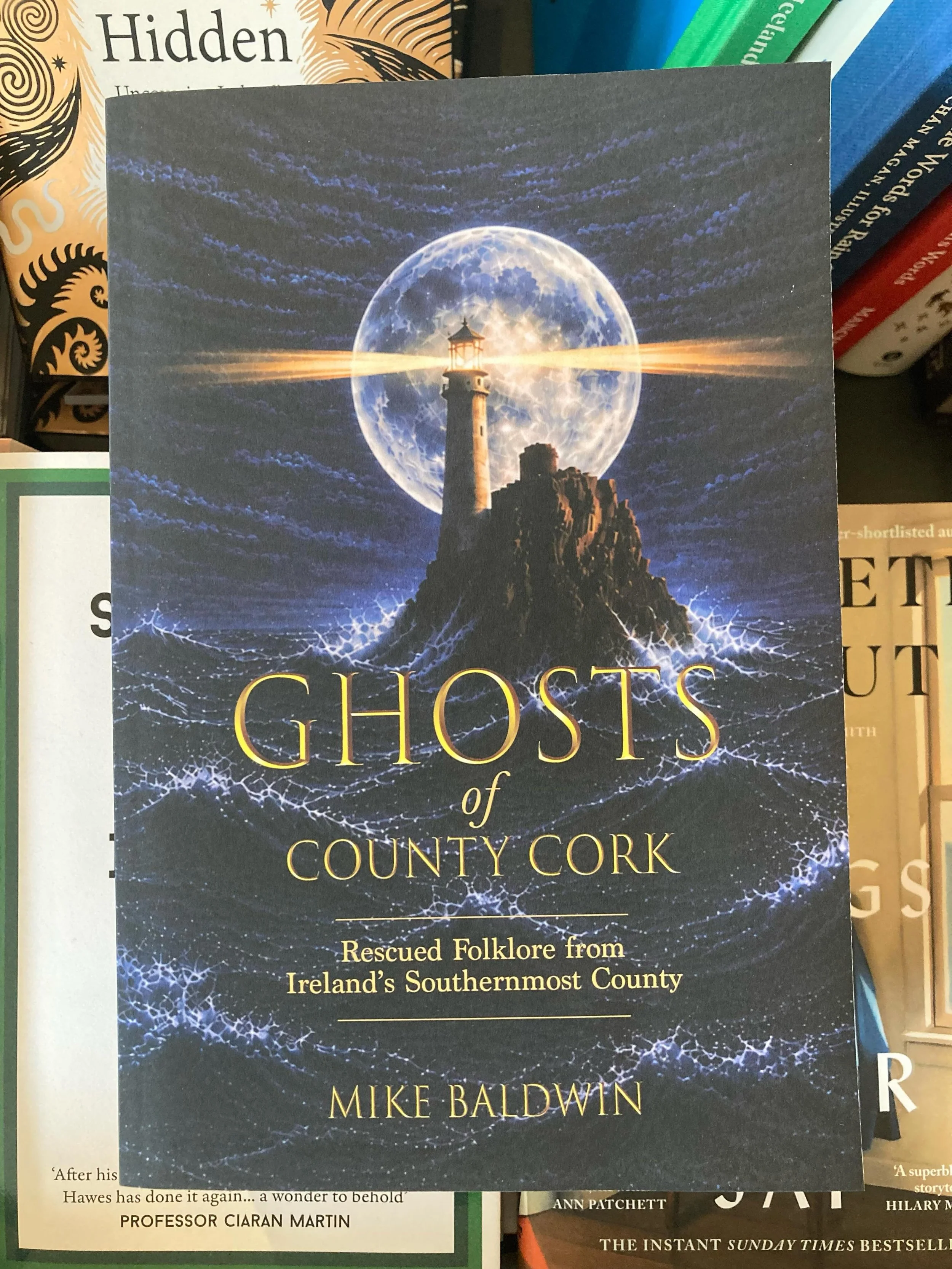
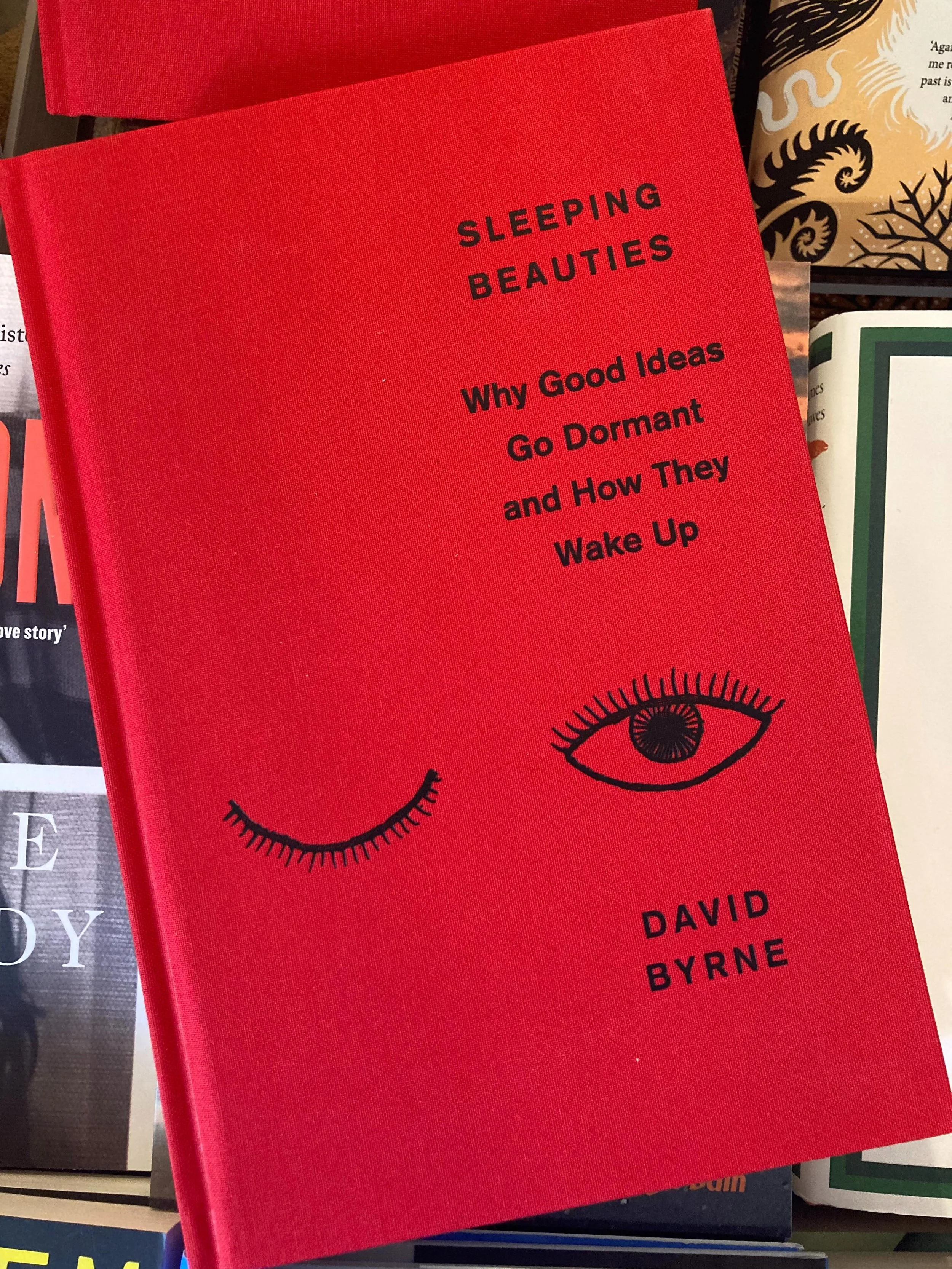
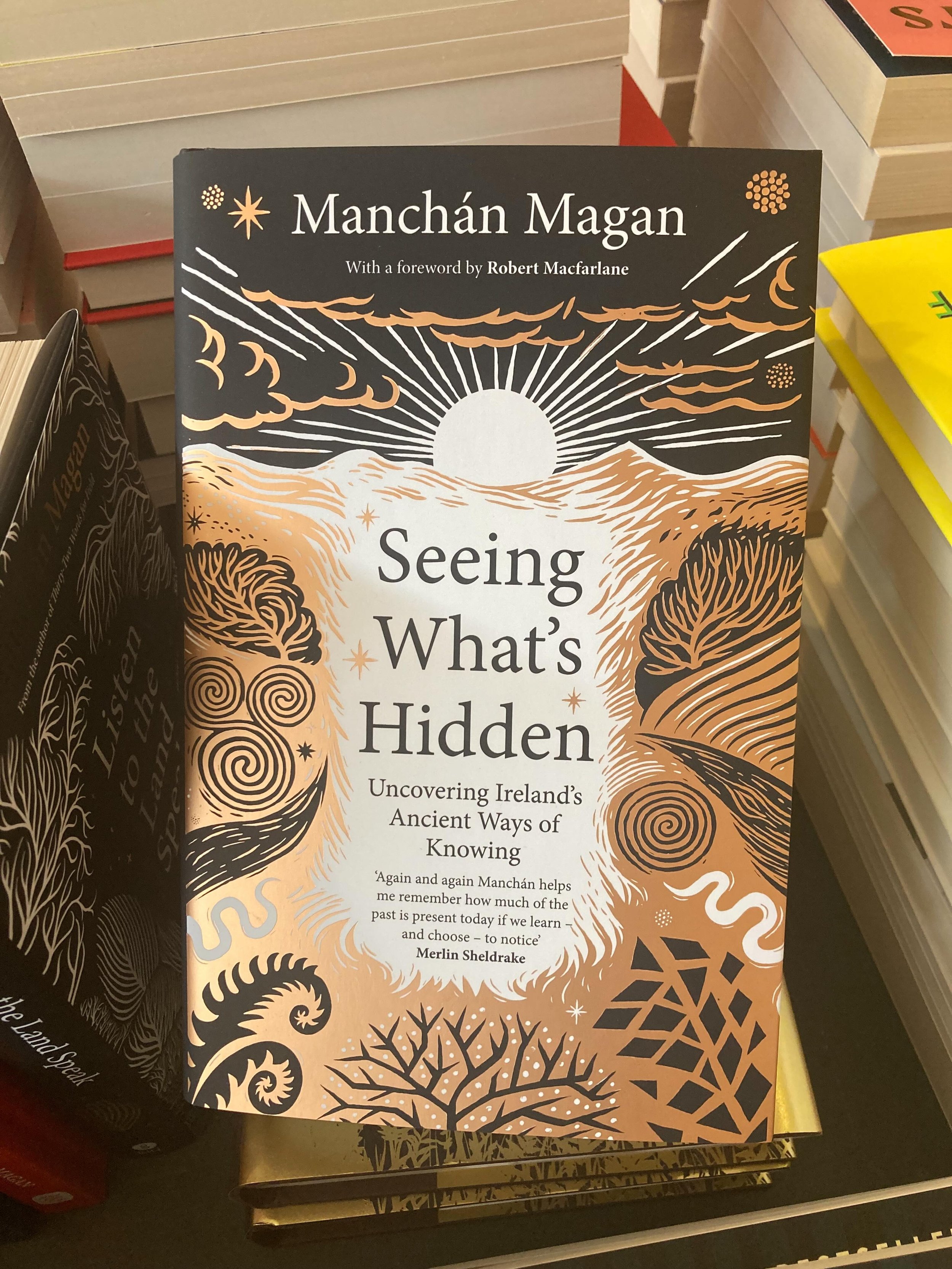
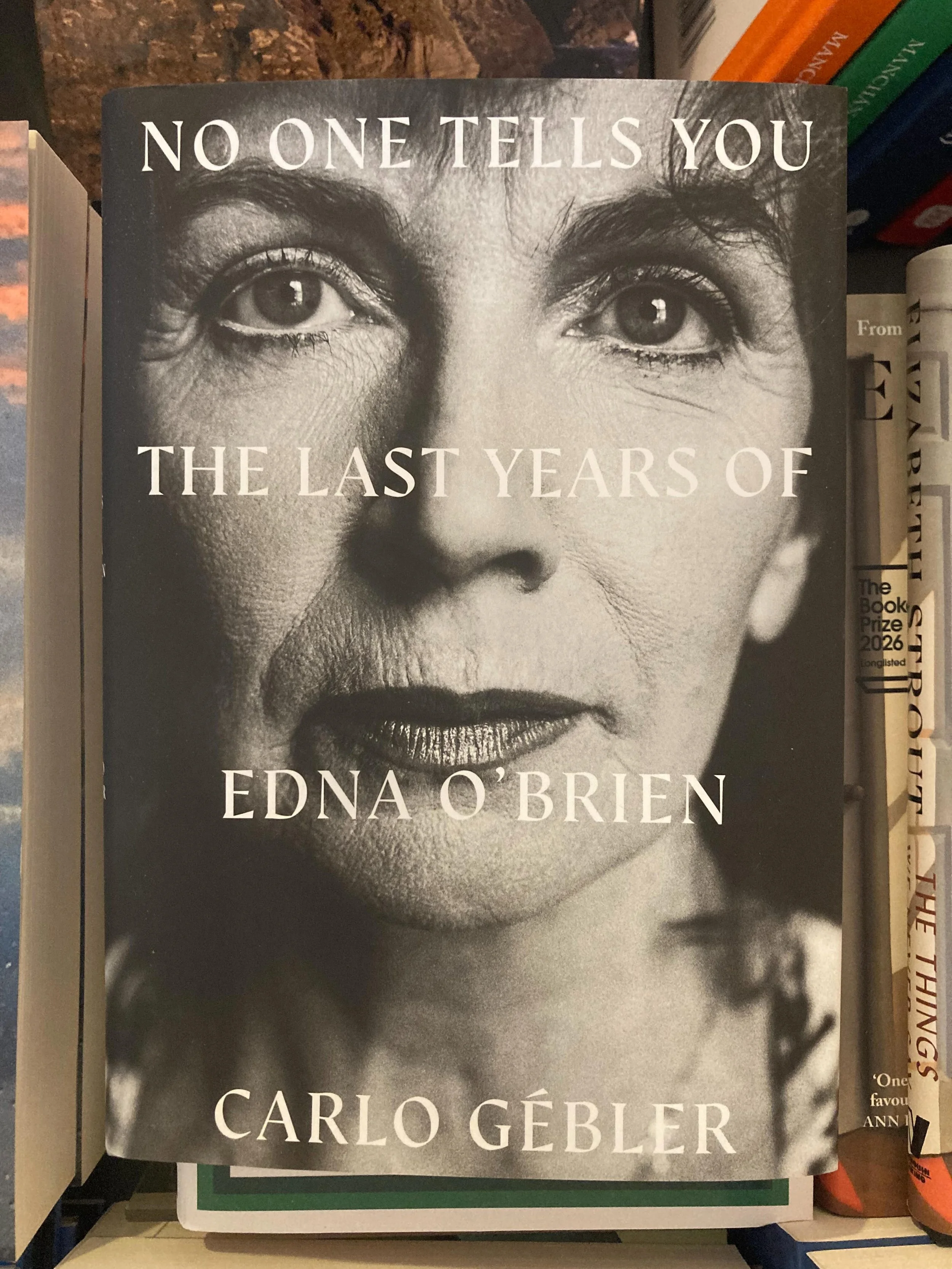
From the Orwell Prize-winning author of My Fourth Time, We Drowned comes a powerful account of human resilience, capturing our capacity for love and connection against all odds.
We live in an era defined by crisis – whether it be war and displacement, or climate collapse and rapidly widening inequality. Acclaimed international correspondent Sally Hayden has spent her career covering some of the darkest moments of our time, and yet even in the face of unimaginable adversity, she’s witnessed the love and care of everyday people.
In This is Also a Love Story, Hayden introduces us to a couple separated by the Russian invasion of Ukraine and a mother in northeast Nigeria who risks everything to save her daughter from forced marriage to Boko Haram militants. We meet a group of Syrian women searching tirelessly for their missing spouses and children, while launching a call for justice, and learn about letters from the bereaved to the dead, still being written over a decade after the tsunami that devastated Japan.
In stories that crisscross the globe, from Uganda to Lebanon, Rwanda to Iraq, Hayden asks us: what if news was recounted through the prism of the actions people take for those they love? Would it become harder to dehumanise those who seem different to us? This is Also a Love Story dares us to recognise how connection, self-sacrifice and love can be found in even the most difficult of times, and – as a result – to question what might be needed to create a better world.